
Best Walk-In Tubs for Seniors (2026)
Quick answer: a walk-in tub is worth it when a deep seated soak genuinely matters and the fill-and-drain wait is acceptable — otherwise a walk-in shower is usually smarter. This guide compares tub types, not forced products.
Affiliate disclosure: As an Amazon Associate I earn from qualifying purchases. This guide contains affiliate links to related bathroom safety products only — never to a walk-in tub itself, which is an installed product bought through dealers and installers. It costs you nothing extra and keeps our content free. Read our affiliate disclosure.
The best walk-in tubs for seniors are not a ranked list of boxes to buy, because a walk-in tub is not bought the way a night light or a shower chair is bought. It is measured into a bathroom, plumbed, wired, sealed, and installed — and the tub that fits one senior in one bathroom can be entirely wrong for the next senior in the next bathroom. What this guide does instead is walk you through the decision in the order that prevents expensive mistakes: tub versus shower, tub type, door, drain, seat, and controls, then installer questions and cost factors.
| Tub type or option | Best for | Daily reality to accept | Watch out for |
|---|---|---|---|
| Soaker walk-in tub | Safe bathing without jets | Fill and drain wait, seal care | Skipping the drain-speed question |
| Whirlpool (water-jet) tub | Strong, targeted massage feel | Jet-line cleaning routine | Jet count over jet placement |
| Air-jet tub | Gentle, all-over bubbling soak | Cleaning routine, electrical need | Paying for jets you will not use |
| Combination jet tub | Both massage styles in one tub | Most cleaning, most parts | Budget stretch for spa extras |
| Bariatric walk-in tub | Larger users, wider entry | More space and hot water | Delivery route and floor support |
| Wheelchair-accessible tub | Chair-to-seat transfer with help | Still a seated transfer, not roll-in bathing | Assuming it replaces a roll-in shower |
| Tub-and-shower combination | Shower most days, soak some days | Tub wait remains on bath days | Tighter shower space than a dedicated shower |
| Walk-in shower instead | Fast washing, caregiver help, wheelchairs | No soaking option | Choosing it only after a tub disappointment |
How We Researched This Guide
We did not sit in these tubs, run a lab, or pretend to have installed one in our own bathroom, and this guide will not claim otherwise. A walk-in tub is an installed product bought through dealers, showrooms, and installers, not a parcel that arrives in a box, so hands-on testing claims from a website that never visited a showroom would be fiction. What we did instead is the honest version of the same job: we compared public manufacturer specifications and feature lists, read first-page buying guides and owner-feedback patterns, and judged every tub type against one fixed set of criteria — entry height, door behavior, drain speed, seat height, grab-bar placement, control reach, water-heater demand, and what the installed job actually includes.
Where rival guides disagree, we say so rather than picking the flattering number. Fill and drain times, for example, vary with your water pressure, your water heater, and the drain design, so any guide that prints one tidy time for every home is oversimplifying. Brand names appear only as examples of tub types, never as a ranked list. Use this guide to walk into a showroom or an installer visit knowing exactly what to test, measure, and ask.
What a Walk-In Tub Actually Is
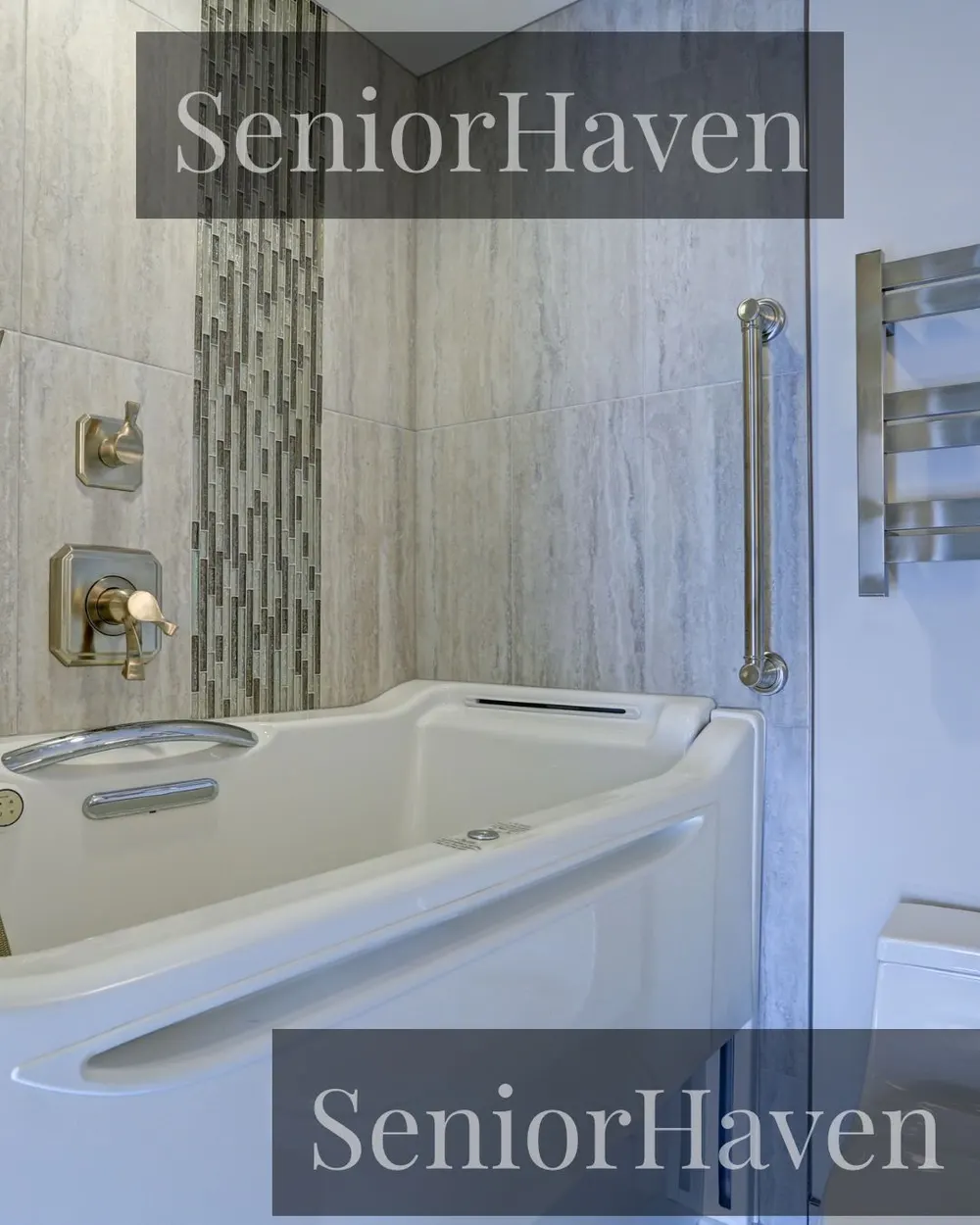
A walk-in tub is a deep, short-footprint bathtub with a watertight door built into its side. Instead of lifting a leg over a standard tub wall, you open the door, step through a low threshold, close the door behind you, and sit on a built-in seat that sits at about chair height. The tub then fills around you, and at the end of the bath it must drain fully before the door can open again. That fact shapes everything else in this guide.
The standard tub wall you are replacing is roughly knee-to-hip high on most adults, and climbing over it while wet is one of the riskiest ordinary moves in a home. A walk-in tub removes that climb and replaces it with a step of just a few inches plus a seated transfer. What it does not remove is waiting: you sit undressed inside the tub while it fills, and you sit again, wet and cooling, while it drains. Heated seats and fast-fill faucets exist precisely because that wait is the part owners complain about most. If the wait sounds unbearable, that is useful information, not a failure — it may mean a walk-in shower suits you better, and this guide covers that choice honestly in the next sections.
Walk-In Tub vs Walk-In Shower: The Choice to Settle First
Settle this choice before you compare a single tub model, because it changes the whole purchase. A walk-in shower, especially a curbless or low-threshold one with a bench, has no fill cycle, no drain wait, and no door seal to maintain. You walk or roll in, wash, and leave. A caregiver can assist far more easily in a shower, and a walker or wheelchair can often enter with the person. For safe entry or assisted bathing, the shower usually wins, with a smaller installed job.
A walk-in tub wins on exactly one thing, and it is a real thing: a deep, warm, seated soak. If soaking genuinely eases stiffness after a long day, if the person loves baths and will actually use the tub several times a week, and if sitting through the fill and drain cycles is acceptable, the tub earns its place. Warm-water soaking is a comfort, not a treatment; health questions belong with the person's doctor. The honest test is usage: a tub used three times a week is a good purchase, while a tub used twice a year is an expensive shower substitute with a door seal to maintain.
There is also a middle path that rivals often rush past: the tub-and-shower combination. A walk-in tub with a showerhead and a handheld wand lets a person shower seated on most days and soak on the days they want a bath, without giving up either option. The trade-off is that the combination still carries the tub wait on bath days. If most days will be shower days, price the combination against a dedicated walk-in shower before falling for the flexibility pitch.
Tub Types Compared: Soaker, Whirlpool, Air-Jet, Bariatric, and More
Most walk-in tubs fall into a handful of types, and the type matters more than the brand badge. A soaker is the simplest: a deep tub with a door, a seat, and no jets. It has the fewest moving parts, the least to clean, and usually the smallest installed scope, which makes it the right default for someone who wants a safe bath without spa features. If jets do not excite you, do not pay for them.
A whirlpool tub pushes water through jets for a strong, targeted massage feel. An air-jet tub pushes warmed air through many small holes for a gentler, all-over bubbling feel. Combination tubs offer both, and they cost more to buy, more to run, and more to maintain than either alone. The choice is about sensation and upkeep, not medical benefit. Ask yourself which sensation you would actually enjoy twice a week, and whether you will run the cleaning cycle the jets require. Jets that are never cleaned become a hygiene chore, not a luxury.
Bariatric tubs are wider and sturdier, with wider doors, for larger users. Wheelchair-accessible tubs, sometimes called slide-in or transfer tubs, have a very low or roll-in threshold and a wide door so a person can transfer from a chair to the tub seat with help. The pattern across all types is the same: every gain in size or features is paid for in space, water, electricity, or cleaning, and the right type is the smallest one that still fits the person and the bathroom.
Door Seals and Drain Speed: The Two Details Owners Feel Every Day
The door is the tub, in a sense: if the door disappoints, the whole purchase disappoints. Doors swing inward or outward, and the difference is practical, not cosmetic. An inward-swinging door is helped shut by water pressure and needs no clearance in the bathroom, but you must step around the open door inside a tight tub, and in an emergency the door cannot swing open against a full tub. An outward-swinging door is easier to enter and easier to exit in an emergency, but it needs clear floor space in the bathroom to swing, which small bathrooms may not have.
The seal itself is a wear item, and honest guides say so plainly. Gaskets compress with age, collect grit, and eventually weep or need replacement. Ask the installer how long the seal is covered, what a replacement costs in labor, and how you will know it is wearing — a damp floor near the door, a musty smell, or visible flattening of the gasket.
Drain speed is the other daily reality. Because the door cannot open until the tub is empty, a slow drain means sitting wet and cooling at the end of every bath. Standard gravity drains take several minutes; fast-drain or dual-drain systems shorten that wait considerably, and some use a pump. Ask whether a quoted drain time was measured with a full tub on your drain lines. A heated seat and a warm bathroom make the drain wait tolerable, which decides whether the tub gets used in winter.
Seat Height, Threshold, Grab Bars, and Controls You Can Actually Reach
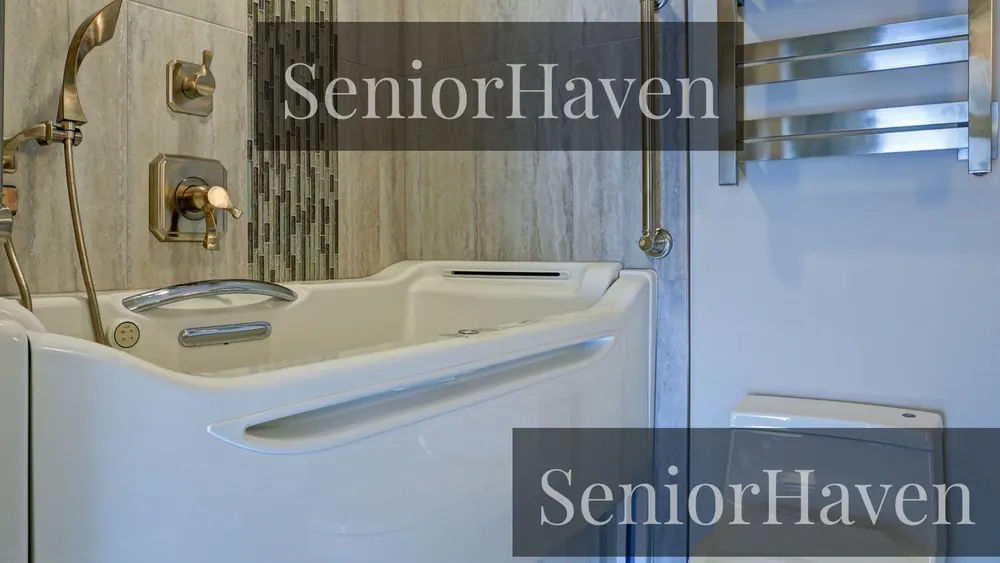
The seat is where comfort meets safety. A chair-height seat — about the height of a kitchen chair — lets a person sit and stand the way they already do dozens of times a day, instead of lowering to a tub floor and pushing back up. Test it the way you will use it: sit, stand, sit again, with wet hands and bare feet if the showroom allows. A flatter, wider seat with a textured surface is often the more practical choice.
Threshold height is the number to compare across models, and lower is generally easier — but only if the door width works too. A low threshold with a narrow door still blocks a walker, and a wide door with a high threshold still demands a big step. Measure both together, and bring the mobility aid that will actually be used. Grab bars deserve the same hands-on test: are they placed where hands naturally go during entry, sitting, and standing, or are they decorative extras in the wrong spots? Bars inside the tub, near the door, and on the wall beside the seat cover the three moves that matter. Confirm bars are fixed to solid backing, not just shell or tile.
Controls and faucets are the most underrated part of the purchase. A senior with stiff or arthritic hands needs large, lever-style handles that work with a palm rather than a pinch grip, placed within easy reach of the seated position — not behind the shoulder or across the tub. A reachable handheld wand and an anti-scald valve matter for rinsing, help, and burn protection. Confirm your pressure and heater can deliver a fast fill before paying for it.
Whirlpool and Air Jets: What They Feel Like, What They Cost You in Upkeep
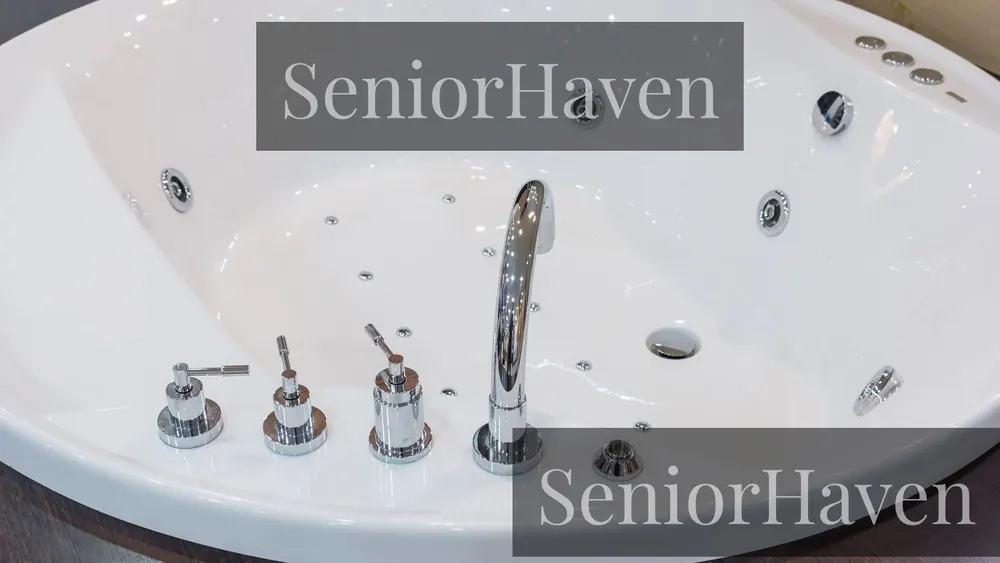
Whirlpool jets move water, so the massage feels strong and directional — good for someone who likes a firm stream against the back or legs. Air jets move air, so the feeling is softer and spread across the whole body — good for someone who finds strong jets uncomfortable or who simply wants a gentle bubbling soak. Combination systems let you choose, but they also double the lines to clean and the parts that can fail. Jet placement matters more than jet count.
The upkeep question decides more purchases than the sensation question, if buyers ask it early enough. Jet lines need regular cleaning cycles, and the manufacturer's cleaning routine — how often, with what product, and whether the system purges itself — should be explained before you sign, not discovered in a manual after installation. Inline heaters keep the water warm during a long soak, which matters because a deep tub cools as it sits, but heaters add an electrical requirement. Chromatherapy and aromatherapy are pleasant extras, never a reason to stretch a budget. If the budget is tight, spend it on the drain, the seal, and the seat, and treat jets as the upgrade they are.
Space, Plumbing, and Electrical Limits: Measure Before You Dream
Measure the bathroom before you browse, not after you fall in love. You need the alcove width, depth, and height of the existing tub space, the door swing clearance for an outward door, the width of every doorway and hallway the tub must travel through to reach the bathroom, and the distance from the street or delivery entrance to the bathroom. Some tubs arrive fully assembled — ask about delivery in the first conversation, not on delivery day.
Plumbing and electrical limits are where quotes diverge, and they are also where surprise costs hide. A deep tub holds far more water than a standard tub, so your water heater must be able to fill it without running cold halfway through — ask the installer to check your heater's capacity and recovery against the tub's volume, not just to promise it will be fine. Jetted and heated models need electrical supply, sometimes a dedicated circuit, and the bathroom may need ground-fault protection work. Older homes may also need drain-line or subfloor work to support the tub's filled weight. All of it belongs in the written, itemized quote before any deposit.
Installed Realities: What Installation Includes, and What It Quietly Excludes
A walk-in tub is not a product price; it is a project price. The number that matters is the complete installed total — tub, delivery, removal of the old tub, plumbing, electrical work, wall surround, sealing, and cleanup — not the tub-only figure in an advertisement. Some companies include installation in their package; others sell the tub and leave you to hire a contractor. Neither model is wrong, but they are not comparable until both quotes cover the same scope, so always compare installed totals side by side.
Ask how long the job takes and what the bathroom looks like during it. Many installs are marketed as one-day or two-day jobs, but older bathrooms, plumbing surprises, and electrical upgrades can stretch that, and a home with one bathroom needs a plan for the days without a working tub or shower. Ask who handles permits if any are needed, who disposes of the old tub, what happens to the wall surround if the new tub is smaller than the old space, and what the warranty covers for installation workmanship versus the tub itself.
Installer quality varies more than tub quality, and it is the part buyers research least. Look for installers with walk-in tub experience specifically, not just general remodeling experience, and ask for recent local references you can contact. Check how the company handles problems after installation — a leaking seal in month three is a test of the company, not of the tub. First-visit pressure or a refused written quote are reasons to walk away. Three written quotes, compared line by line, remain the best protection a buyer has.
Cost Factors, Without the Fantasy Numbers
This guide deliberately prints no price figures, and that is a feature, not a gap. Rival guides print tidy ranges that disagree wildly with each other, because the installed total depends on your bathroom, your plumbing, your electrical panel, your region, and the features you choose. A single printed range would mislead more readers than it helps. What this guide gives you instead is the complete list of factors that move the total, so you can read any quote and see what is driving it.
The factors, in rough order of impact: tub type and size, jet system and heater, door style and seal system, wall surround and finish choices, removal of the old tub, plumbing changes, electrical work, water-heater upgrades, subfloor or structural work, delivery difficulty, and regional labor differences. Financing is widely offered, and it deserves a cold read: compare the total repaid over the full term, not the monthly figure, and ask whether the rate changes after an introductory period. A low monthly payment that doubles later is not a bargain.
The cheapest honest way to control cost is to choose the smallest tub type that fits the person, skip jet systems you will not use, and get competing installed quotes for the same scope. The expensive mistake is discovering heater or panel upgrades only after the deposit. A showroom visit plus a home assessment before signing is what prevents that sequence, and reputable companies expect it.
Medicare and Walk-In Tubs: The Honest Answer
Here is the honest answer, stated plainly because so many sales pitches blur it: Original Medicare generally does not cover walk-in tubs. Medicare treats a walk-in tub as a comfort or convenience item rather than durable medical equipment, so Parts A and B typically will not pay for the tub or its installation, even when the tub has safety features like grab bars and a low threshold. Plan your budget around paying yourself unless you hold written confirmation otherwise.
There are narrow exceptions, and they are narrow for a reason. In rare cases, reimbursement may be considered when a doctor documents medical necessity in detail, the tub is bought from an enrolled supplier, and a claim is submitted afterward — with no guarantee of approval and payment only as reimbursement after you have already paid. Some Medicare Advantage plans offer home-safety or supplemental benefits that may include bathroom modifications, but coverage varies widely by plan and region, often requires prior authorization, and may limit you to approved vendors. Confirm with your own plan in writing.
Two warnings belong in this section. First, a doctor's letter alone is not approval — it is one piece of a claim that can still be denied, so never sign a tub contract that depends on reimbursement arriving. Be skeptical of any seller offering to handle Medicare paperwork as a sales incentive. If coverage is denied, the fallback options are the same ones this guide covers next: other assistance programs, veterans benefits where applicable, and honest financing — each checked directly with the program, never assumed.
Other Ways to Pay: Programs Worth Checking, Promises Worth Ignoring
Beyond Medicare, a few programs are worth a direct phone call, and all of them require checking your own eligibility rather than trusting a general claim. Some state Medicaid programs offer home-modification waivers that may help with bathroom safety work, but eligibility, covered items, and wait times vary by state and by program, so the state agency is the source, not a tub salesperson. Veterans may have benefits that help with home modifications in some situations, and the veterans agency can confirm what applies to an individual case.
What not to trust: any advertisement that promises a free tub, a guaranteed grant, or government funding with no eligibility check. Those pitches exist because a tub is expensive and hope is easy to sell. A legitimate program checks eligibility and puts its decision in writing. If a seller claims you qualify before any agency has seen your case, treat that as a sales line. The practical order is: check programs first, get written answers, and only then sign a contract whose price you can actually pay without the hoped-for help.
What to Ask Before Signing: The Installer Checklist
Take this list to every installer visit, and do not sign until every answer is in writing. First, the tub itself: what is the threshold height, door width, and door swing direction, and will the tub fit through my doorways and hallways fully assembled? What is the drain time with a full tub on my drain lines, and is the drain pump or dual-drain system included? What does the seal warranty cover — parts only, or labor too — and how is a worn seal replaced?
Second, the installed job: what is the complete installed total, itemized, including old-tub removal, plumbing, electrical work, surround, and cleanup? Is my water heater sufficient for this tub's volume, and if not, what upgrade is included in the quote? Is a dedicated electrical circuit needed, and who performs that work? How many days will the bathroom be out of service, and what happens if the job uncovers plumbing or subfloor problems?
Third, the company: who actually installs — your own technicians or subcontractors — and what is the workmanship warranty? Can I contact recent local customers? What is the cancellation and refund policy, and how long do I have to change my mind after signing? If any answer is vague, evasive, or available only verbally, that is information too.
The Showroom Test: Sitting, Stepping, and Reaching Before You Buy
A showroom visit, or a live virtual tour where the tub is actually filled and working, is worth more than a week of brochure reading. Sit on the seat and stand up three times, without rushing, and notice whether your knees and hips complain. Step through the door the way you will at home — slowly, holding the bars where they are placed — and check whether the door swing fights the bathroom layout in your head. Reach the controls seated, and try the latch with stiff fingers.
Ask the showroom staff to run the fill and drain while you watch, or at least to state the measured times for that model on a standard setup. Look at the seal up close: is it a simple gasket you can wipe, or a complex channel that will trap grime? Ask how the jets are cleaned, and watch a staff member demonstrate the cleaning cycle if possible. If the showroom shows only dry models, ask for a live video walkthrough of a working, filled tub. Bring your measurements, bring your mobility aid, and bring the person who will actually bathe in the tub, because their body is the specification that matters.
Cleaning and Maintenance: The Weekly Routine That Protects the Investment
A walk-in tub rewards a simple routine and punishes neglect, especially around the seal and the jets. Wipe the door seal after baths and keep grit out of its channel, because grit is what wears a gasket unevenly. Run the jet cleaning cycle on the manufacturer's schedule, not when the water starts smelling — by then the lines have already built up residue. Use only approved cleaning products, and rinse after every use.
Set a calendar reminder for the checks that are easy to forget: inspect the seal for flattening or cracking, check that grab bars are still solidly fixed, confirm the anti-scald setting still caps the temperature, and look under and around the tub for dampness that could signal a slow seal weep. A tub that is cleaned weekly and inspected a few times a year will outlast a tub that is ignored until something leaks — and the difference is measured in years of use, not in cleaning effort.
Common Mistakes Buyers Make With Walk-In Tubs
Mistake one: comparing tub-only prices instead of installed totals. A low tub price with a separate, unquoted installation is not a bargain; it is an incomplete quote. Mistake two: choosing by jet count instead of by door, drain, and seat. Jets are the fun part of the brochure, but the door and drain are the parts you live with every bath. Mistake three: skipping the water-heater check — a tub that runs cold halfway through filling is a costly post-install fix.
Mistake four: trusting a Medicare or grant promise before it is in writing from the program itself. Salespeople are not the program, and a denied claim after installation leaves you holding the full bill. Mistake five: buying for today's mobility instead of tomorrow's. If balance or strength is declining, an outward door, a wider entry, and bars in more places are worth choosing now, while the bathroom is already being remodeled.
Who Should Skip a Walk-In Tub, Honestly
A walk-in tub is not right for everyone, and saying so is part of honest advice. If the person uses a wheelchair and cannot transfer to a tub seat even with help, a curbless roll-in shower is usually the safer and more dignified option, because a tub door still requires a seated transfer inside a basin. If sitting through fill and drain cycles is painful or dizzying, the wait may rule a tub out; a doctor's input belongs in that decision.
Very small bathrooms can also rule a tub out: an outward door needs swing space, a fully assembled tub needs a delivery route, and a cramped tub with no room to maneuver is not safer than the standard tub it replaces. If no one will maintain the seal and jets, a simpler soaker or shower serves better over time. None of this is a judgment on the person — it is matching the fixture to the body and the bathroom, and a walk-in shower chosen for the right reasons is a better outcome than a walk-in tub chosen for the wrong ones.
Tub-to-Shower Conversion and Conversion Kits: The Cheaper Cousin
Two cheaper cousins deserve a fair hearing before you commit to a full tub. A tub-to-shower conversion removes the old tub and installs a walk-in or curbless shower in its place, which suits someone who mainly showers and wants the fastest, easiest daily routine. It avoids the fill and drain wait entirely, usually simplifies caregiver assistance, and often involves a smaller project than a full tub install. Its downside is losing soaking — weigh that honestly for a lifelong bather.
A conversion kit takes a different approach: it cuts a step-through section into the existing tub and fits a door, turning a standard tub into a partial walk-in at a lower cost and with less remodeling. The compromise is real: the seat is not a built-in chair-height seat, the door and seal are retrofitted rather than designed in, and the bathing experience remains a standard-depth tub with a door added. For a tight budget or a rental where a full remodel is impossible, a kit can be a reasonable bridge — but compare its seal warranty, step height, and door behavior against a purpose-built tub before treating it as an equal substitute.
A Note for Caregivers and Family Members
If you are buying for a parent, the most valuable thing you can do is attend the showroom visit and the installer assessment, and watch the person actually use the tub. Brochures describe features; bodies reveal fit. Notice whether they hesitate at the threshold, whether they reach the controls without twisting, and whether they can stand from the seat without help they will not have at home.
Frame the conversation around independence and comfort, not decline. A parent who feels the tub is being imposed will resist it; a parent who chose the seat height, tested the door, and picked the features will use it. After installation, take responsibility for the maintenance calendar — seal checks, jet cleaning, anti-scald verification — rather than leaving it to the person least able to climb around a tub checking gaskets. Pair the tub with route lighting, a clear path, and the safety items below.
Related Bathroom Safety Products Worth Adding
A walk-in tub does not replace the smaller safety items around it, and several of them are genuinely useful whether you buy a tub or choose a shower instead. Extra grab bars on the wall beside the tub or shower give hands a place to go during the riskiest moves, and a shower chair lets a person sit safely on shower days. A non-slip mat underfoot and a handheld showerhead within seated reach complete the setup, and a bath safety rail can help with the sit-to-stand move where wall bars are not possible. These related products fit real bathrooms; no tub purchase link is forced here.
As an Amazon Associate I earn from qualifying purchases. The links below go to Amazon search results for these related safety items; the tub itself is bought through dealers and installers, and no link here pretends otherwise.
- Bathroom grab bars — Browse grab bars on Amazon
- Shower chairs for seniors — Browse shower chairs on Amazon
- Non-slip bath mats — Browse non-slip bath mats on Amazon
- Handheld showerheads — Browse handheld showerheads on Amazon
- Bath safety rails — Browse bath safety rails on Amazon
- Suction grab bars for the shower — Browse suction grab bars on Amazon
For the rest of the bathroom, see our grab bars guide, our shower chairs guide, and our non-slip bath mats guide, plus our toilet safety rails guide and walkers guide for the journey to and from the bathroom.
The Short Verdict: How to Decide This Week
Start with the person, not the product. If soaking matters, if sitting through fill and drain cycles is acceptable, and if the bathroom fits the door swing and delivery route, a walk-in tub — soaker for simplicity, jetted only if the upkeep appeals — is a sound choice. If showering dominates, if a wheelchair or caregiver assistance is central, or if the wait sounds miserable, choose the walk-in shower and spend the difference on the safety items around it. Either way, get three itemized quotes, check the water heater, and test the seat and door in person.
The best walk-in tub for a senior is not a brand or a jet count. It is the tub whose door, drain, seat, and controls fit one particular person in one particular bathroom, installed by a company that answers written questions plainly and stands behind the seal afterward. Use the checklist at the showroom, measure before browsing, and let the compared installed quote make the final call.
Frequently asked questions
- Are walk-in tubs good for seniors?
- They can be, for the right person. A walk-in tub removes the climb over a standard tub wall and replaces it with a low step and a chair-height seat, which helps someone who struggles with that climb but can still sit and stand with reasonable ease. It is not the right answer for everyone: the fill and drain wait, the seated transfer, and the maintenance all matter, so the tub-versus-shower decision should come first.
- Does Medicare cover walk-in tubs?
- Original Medicare generally does not cover walk-in tubs, because it treats them as comfort or convenience items rather than durable medical equipment. Some Medicare Advantage plans may offer home-safety benefits that include bathroom modifications, but coverage varies by plan, often requires prior authorization, and must be confirmed with your own plan in writing. Never sign a tub contract that depends on reimbursement arriving.
- How much does a walk-in tub cost to install?
- This guide prints no price figures because the installed total depends on tub type, jets, plumbing, electrical work, water-heater needs, and regional labor, and rival ranges disagree too widely to be useful. Compare complete installed totals from at least three written quotes for the same scope, and read the financing terms by total repaid, not by monthly payment alone.
- What is the best walk-in tub for seniors?
- There is no single best tub, because the right choice depends on the person's mobility, the bathroom's size and plumbing, and whether soaking or showering dominates. The best tub for a given home is the one whose threshold, door width, drain speed, seat height, and control reach fit that person, installed by a company that answers written questions plainly.
- Walk-in tub or walk-in shower: which is better for a senior?
- A walk-in shower is usually better for faster daily washing, caregiver assistance, and wheelchair or walker use, since it has no fill or drain wait and no door seal. A walk-in tub is better when a deep, warm, seated soak genuinely matters and the fill and drain wait is acceptable. A tub-and-shower combination covers both, but still carries the tub wait on bath days.
- How long does a walk-in tub take to fill and drain?
- It depends on your water pressure, your water heater, the tub volume, and the drain design. Standard gravity drains take several minutes, while fast-drain or dual-drain systems shorten the wait considerably. Ask the installer for the measured time on your drain lines with a full tub, and remember you sit inside the tub for both cycles because the door cannot open until it is empty.
- Do walk-in tubs have heaters?
- Many jetted and higher-featured models offer inline heaters that keep the water warm during a long soak, and some offer heated seats or backrests. Heaters add an electrical requirement, so confirm your bathroom can support them. A heated seat also makes the drain wait far more tolerable, which is why it matters beyond comfort.
- Are there walk-in tubs without jets?
- Yes. A soaker walk-in tub has no jets at all: just the door, the seat, and the safety features. Soakers have the fewest parts to clean and usually the smallest installed scope, which makes them the right default for someone who wants a safe bath without spa features or jet maintenance.
- How do you clean a walk-in tub with jets?
- Follow the manufacturer's cleaning cycle on its schedule, using only approved products, and rinse the tub after every use so soap film does not harden. Wipe the door seal after baths and keep grit out of its channel. Jets that are never cleaned build up residue in the lines, so ask how cleaning works before you buy, not after installation.
- What should I ask a walk-in tub installer before signing?
- Ask for the complete itemized installed total, the threshold height and door width, the drain time on your lines, whether your water heater can fill the tub, what electrical work is needed, how long the bathroom will be out of service, what the seal warranty covers including labor, and the cancellation policy. Get every answer in writing and compare three quotes line by line.
- What is a tub-to-shower conversion, and is it cheaper?
- A conversion removes the old tub and installs a walk-in shower in its place, which suits someone who mainly showers and wants the fastest daily routine. It avoids the fill and drain wait entirely. A conversion kit instead cuts a step-through door into the existing tub, which costs less but keeps a standard-depth tub and a retrofitted seal, so compare its warranty and step height against a purpose-built tub.
- Can a walk-in tub fit a small bathroom?
- Sometimes, but measure first: the alcove size, the door swing clearance for an outward door, and the delivery route through every doorway and hallway. Some tubs arrive fully assembled and cannot pass narrow doors. If the bathroom cannot fit the door swing or the delivery route, a walk-in shower or a conversion may serve better.
- Are walk-in tubs reliable?
- A well-installed tub from a reputable company can serve for many years, but reliability depends on the door seal, the installation quality, and regular maintenance more than on any brand claim. The seal is a wear item that needs inspection and eventual replacement, and jet systems need cleaning on schedule. Ask about seal coverage including labor, and check recent local references before signing.
- How can I get help paying for a walk-in tub?
- Check programs directly rather than trusting a sales pitch: some state Medicaid waiver programs and veterans benefits may help with home modifications in some situations, and local aging agencies sometimes help with smaller safety items. Any legitimate program will check eligibility and put its decision in writing. Be skeptical of any advertisement promising a free tub or guaranteed funding.
- What size walk-in tub do I need?
- The size that fits your bathroom and your body, measured before browsing. Measure the alcove width, depth, and height, the door swing space, and the delivery route, then bring those numbers and your mobility aid to the showroom. Larger tubs need more floor space, more hot water, and often more electrical capacity, so the smallest tub that fits comfortably is usually the wisest choice.