
Best Hearing Aids in Canada for Seniors: Prices, Costco & Funding
Prescription picks, Costco Canada prices, Ontario ADP and other provincial funding, and the new over-the-counter rules — Canadian prices seen on live pages on 31 October 2026.
Affiliate disclosure: As an Amazon Associate I earn from qualifying purchases. The picks come from research into Canadian prices, provincial rules, and real fitting costs — check the current listing before you buy. It costs you nothing extra and keeps this site free. Read our affiliate disclosure.

The short answer
If you only read one paragraph, read this one. For most Canadian seniors, the best first step is a hearing test with an audiologist or hearing instrument practitioner, then a prescription hearing aid fitted to your audiogram — and the best value is Costco Canada's Hearing Centre, from about $2,100 per pair, with a membership and a warehouse near you. If speech in noisy rooms is the main problem and budget allows, the Phonak Audéo Infinio (about $4,500 to $5,900 per pair) and Oticon Intent (about $4,000 to $6,000 per pair) are the top-tier picks Canadian audiologists recommend most. The ReSound Vivia (about $2,500 to $4,400 per pair) is the strongest mid-range choice, especially with tinnitus. All prices are approximate Canadian dollars, seen on live pages on 31 October 2026 — confirm before you buy.
Our verdict, up front: get the test first, buy second. A hearing aid is a medical device programmed to your hearing loss, not a consumer gadget, and the fitting matters as much as the brand. Prescription aids fitted by a licensed professional are the standard in Canada. Over-the-counter aids are a real, new option only in British Columbia so far (plus the AirPods Pro feature in five provinces from 26 October 2026) — and only for adults with mild to moderate loss.
One honest note. We did not test these hearing aids on patients, and no page should pretend otherwise. We read the live Canadian guides, clinic and manufacturer pages, the B.C. news release of 17 June 2026, Ontario's 20 October 2026 announcement, and the provincial program pages behind the figures below, all on 31 October 2026. Where sources disagreed, we used the more cautious figure and said so. This guide is general information, not medical advice: sudden hearing loss, one-sided loss, ear pain, or one-sided ringing should be assessed promptly by a hearing professional or your primary care provider before you buy anything.

The picks at a glance
Every pick below is a prescription device fitted by a licensed professional, except in the over-the-counter section. Prices are per pair, approximate, and seen 31 October 2026. Ask every provider the same three questions before comparing prices: is this per aid or per pair, are taxes extra, and how many follow-up visits and warranty years are included?
| Pick | Best for | Price per pair (approx., CAD) | Watch out for |
|---|---|---|---|
| Phonak Audéo Infinio | Best overall; speech in noisy rooms | About $4,500–$5,900 | Premium price; prescription only |
| ReSound Vivia | Best mid-range; tinnitus relief | About $2,500–$4,400 | Android streaming less smooth than iPhone |
| Oticon Intent | Speech in noise; restaurants and crowds | About $4,000–$6,000 | Premium price; motion sensor may not matter for quieter routines |
| Widex Moment / Starkey Edge AI / Signia | Natural sound; health tracking; discreet fits | Clinic-set — no verified Canadian price found, 31 Oct 2026 | Ask for the written quote; compare what is bundled |
| Costco Canada (Philips, Jabra, Rexton) | Best value; free fitting and follow-ups | From about $2,100 (Rexton from $2,099.99; Philips and Jabra from $2,199.99) | Membership required; narrower brand choice; locked to Costco for adjustments |
| Over-the-counter (B.C. only, so far) | Mild to moderate loss; tech-comfortable buyers | About $500–$2,000 a pair, guide range | Self-fitted; no provincial subsidy in most cases; not for greater loss |
The wider market runs roughly $2,000 to $8,000 or more per pair at private clinics, with most of the difference being the technology level and the service bundled in — not the size of the device. A $2,000 pair and a $6,000 pair can look identical in the ear. What changes is how the aid separates speech from background noise, how automatically it adapts, how well it streams, and how many follow-up appointments come with it.
Prescription vs over-the-counter: the Canadian rules in 2026
Canada has no single national hearing-aid rule; regulation is provincial, and the position is changing. Here is where it stood on 31 October 2026, from the government sources themselves.
The standard everywhere is prescription. In most provinces, hearing aids are dispensed by a licensed audiologist or hearing instrument practitioner after a test. Ontario goes further: its Regulated Health Professions Act requires a prescription from an audiologist or physician before dispensing. The provincial subsidy programs are built around that system — Ontario's ADP, Alberta's AADL, and Manitoba's seniors program all apply to prescription aids fitted through their processes, and most over-the-counter devices do not yet qualify.
British Columbia changed first. On 17 June 2026, B.C. announced that adults 18 and older with mild to moderate hearing loss can buy Health Canada-approved over-the-counter hearing aids without a prescription, through retail stores and online sellers. The province recommends an audiologist assessment first, and assessment is required for children and youth. These devices do not replace professional hearing care; moderate to severe loss still goes through regulated professionals.
Ontario has announced a change, but it is not in force. On 20 October 2026, Ontario announced it is taking the next steps to allow Health Canada-approved over-the-counter hearing aids without a prescription for adults with perceived mild to moderate hearing loss. The amendment is expected in the 2026 Fall Economic Statement, due on or before 15 November 2026, with regulatory changes to follow. Until the law changes, the prescription requirement stands, and ADP funding — 75 per cent up to $500 per aid — continues for prescribed aids. Do not buy in Ontario on the assumption the rule has already changed.
Apple's hearing feature arrived in five provinces on 26 October 2026. Apple switched on its clinical-grade Hearing Aid feature and five-minute Hearing Test for AirPods Pro 2 and 3 in Alberta, British Columbia, New Brunswick, Prince Edward Island, and Saskatchewan — the provinces whose rules permit over-the-counter devices. The Hearing Test is available across Canada; the Hearing Aid feature is limited to those five provinces for now. It is intended for adults 18+ with perceived mild to moderate hearing loss, uses the profile from the Hearing Test, and does not diagnose a medical condition. AirPods Pro 3 were listed at $299 on Amazon.ca in the launch reports. Treat this as a narrow option for mild loss — not a substitute for assessment if loss is greater, one-sided, sudden, or accompanied by pain or single-sided ringing.
Amplifiers are not hearing aids — the trap to avoid. Cheap devices sold online as "hearing amplifiers" — commonly $39 to $177 on Amazon.ca and marketplace listings — are not registered hearing aids. They amplify everything, including background noise, with no programming to your hearing loss, no feedback management, and no fitting. A real hearing aid is a Health Canada-licensed medical device with a processing chip programmed to your audiogram. The honest test: can you name the licensed professional who will program it to your hearing test? If not, do not buy it as a hearing aid.
The four styles, and which suits whom
Style matters less than fit and programming, but it decides comfort, handling, discretion, and power. The four styles below cover nearly every prescription aid sold in Canada.
| Style | How it sits | Best for | Trade-offs |
|---|---|---|---|
| RIC / RITE (receiver-in-canal) | Small unit behind the ear, thin wire to a tiny speaker in the canal | Most seniors; the most popular style in 2026; discreet, Bluetooth-friendly | Small parts; domes and wax guards need regular changing |
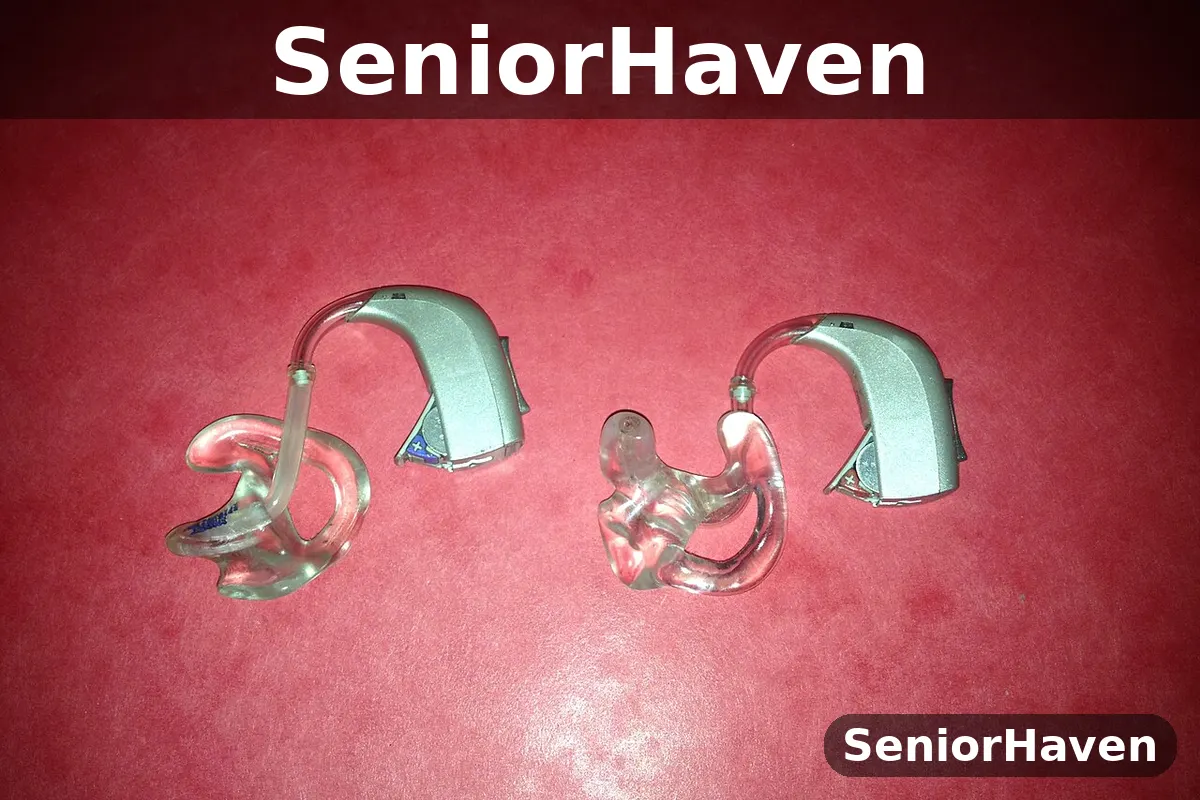
| BTE (behind-the-ear) | Larger unit behind the ear, tube to an earmould | Severe to profound loss; easier to handle with arthritis or poor dexterity; most power | More visible; earmould impressions needed |
| ITE / ITC (in-the-ear) | Custom-moulded shell filling the outer ear or canal | People who dislike behind-the-ear units; easier to insert for some hands | Less room for Bluetooth and rechargeable batteries in smaller shells; feedback risk |
| CIC / IIC (completely-in-canal / invisible) | Tiny shell deep in the canal | Maximum discretion | Smallest batteries or shortest recharge life; hardest to handle; not suitable for severe loss |
Two practical rules beat any style chart. First, dexterity decides: if small batteries and tiny domes are a struggle, a larger BTE or a rechargeable RIC with a charging case will be worn every day, while a discreet aid left in a drawer helps nobody — say so at the appointment. Second, power decides: severe to profound loss needs a BTE or a powerful RIC; a tiny CIC cannot do that job. The audiogram, not the catalogue photo, settles it.
The prescription picks, in detail
Each pick below is sold and fitted through Canadian clinics. Prices are approximate per-pair ranges from the Canadian guides read on 31 October 2026, and every one depends on what the clinic bundles in. A price without the bundle — test, fitting, follow-ups, warranty — is not comparable.
Phonak Audéo Infinio — best overall
About $4,500 to $5,900 per pair at Canadian audiologists and HearingLife Canada clinics. Phonak, a Swiss brand owned by Sonova, is one of the most widely dispensed in Canada. The Infinio is the current flagship rechargeable receiver-in-canal platform, replacing the Lumity generation; some clinics still sell Lumity at a lower price, which is worth asking about. AutoSense OS 6.0 detects the acoustic environment and adjusts automatically — quiet home versus noisy restaurant, without pressing anything. Rechargeable, with a full day on a charge (24 hours claimed), Bluetooth streaming from iPhone and Android, and the myPhonak app. The honest downside is the premium price and the prescription-only route. Ask about the Audéo Infinio Sphere and Audéo EON Sphere variants, named by Canadian clinics for speech clarity in noise — no verified Canadian price for them was found on a live page on 31 October 2026.
Search Amazon.ca for Phonak hearing aid cleaning kits — the brushes and wax-guard tools that keep any RIC aid working; the aid itself is bought through a clinic.
ReSound Vivia — best mid-range, and for tinnitus
About $2,500 to $4,400 per pair at Canadian audiologists and HearCANADA clinics. ReSound is a Danish brand owned by GN Audio. The Vivia is the value pick of this guide: prescription-grade quality, rechargeable, Bluetooth streaming, and built-in Sound Therapy for tinnitus — gentle tones or nature sounds that take the edge off ringing. It handles mild to profound loss and works with the ReSound Smart 3D app. The honest downsides: Android streaming is less smooth than iPhone streaming, and its processing is a step below the top tier in the hardest noise. For one-on-one conversation, television, and regular social settings, that trade is usually the right one — and the saving is real.
Oticon Intent — best for speech in noisy places
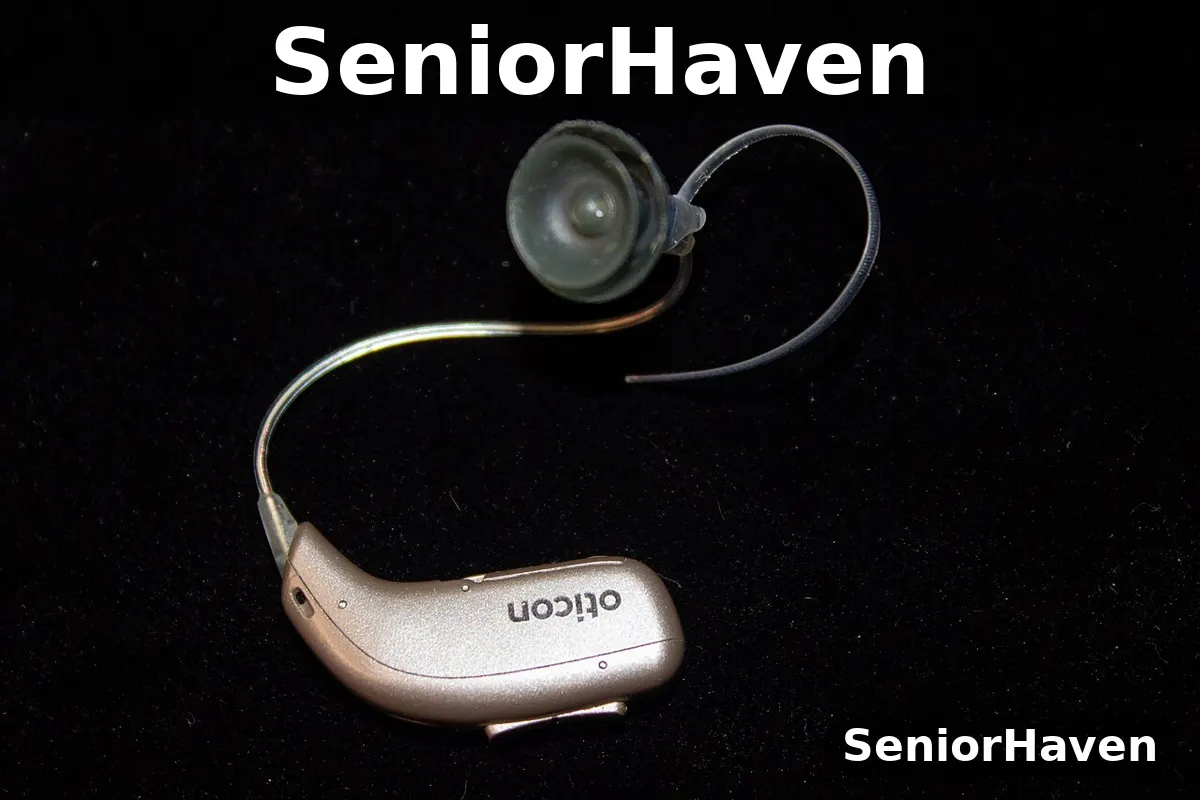
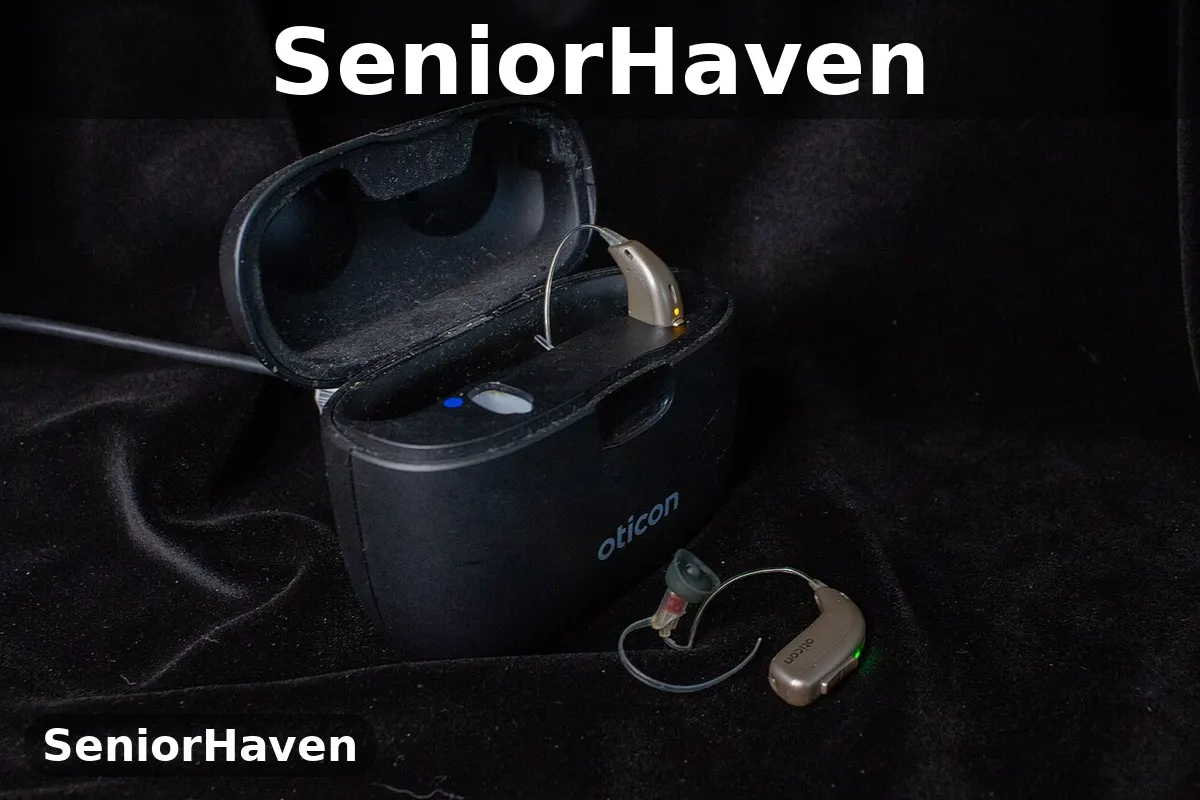
About $4,000 to $6,000 per pair at audiologists across Canada. Oticon, Danish and owned by Demant, built the Intent around a Deep Neural Network trained on 12 million real-world sound scenes, plus a 4D sensor tracking head movement so the aids prioritise sound from the direction you are looking. Rechargeable, Bluetooth for iPhone and Android, and the Oticon Companion app. For family dinners, restaurants, and large gatherings, this is routinely the audiologist recommendation. The premium price is the honest cost, and the motion sensor may not matter for a quieter routine. Ask about the Intent miniRITE if a smaller fit matters. The product photographs in this guide show Oticon receiver-in-canal aids and their charging case, photographed by Bastique and shared under CC BY 4.0.
Widex Moment, Starkey Edge AI, and Signia — ask for the written quote
Three more names Canadian clinics put forward. No verified Canadian price for any of them was found on a live page on 31 October 2026, so none is stated here rather than guessed. Widex Moment is named for the most natural sound; Starkey's Edge AI for health tracking; Signia — including Silk instant-fit in-canal models and the Pure Charge&Go rechargeable range — for discreet fits and a ready-to-wear start without custom impressions. Previous generations (Phonak's Virto Paradise, Signia's Silk Nx, the Widex Moment CIC Micro, Starkey's Livio AI) still appear in Canadian listings at lower prices — worth asking about on a tight budget. For any of these, insist on a written quote stating per-aid or per-pair, taxes, included visits, warranty years, and trial terms. A verbal "about three thousand" is not a quote.
Costco Canada: the two questions, answered with named models
Two questions dominate Canadian hearing-aid searches, and most pages answer neither with specifics. Both are answered here with the names and prices published by the Canadian guide read on 31 October 2026.
Which hearing aids does Costco Canada sell? As of 31 October 2026, Costco Canada Hearing Centres list three brands: Philips HearLink, Jabra Enhance Pro, and Rexton — all fitted by licensed hearing instrument specialists. Published prices: Rexton from $2,099.99 per pair; Philips and Jabra from $2,199.99; custom in-the-ear models from $2,399.99. A Costco membership is required (about $65 to $120 a year). Test, fitting, and follow-ups are included, with a 3-year warranty and a 180-day return policy stated by the guide. Philips aids are made by Demant, the same parent company as Oticon. The Kirkland Signature house brand does not appear in the current Canadian lineup in the sources read — ask what is stocked at your warehouse, because lineups change.
Are Costco hearing aids as good as hearing aids from an audiologist? The honest answer is: the technology is comparable, the service model is different. Costco's aids are prescription devices fitted by licensed professionals, with real-ear verification and follow-ups included, at roughly half the price of private clinics for comparable technology — the difference is volume pricing and lower markup, not a weaker chip. What you give up is brand choice (three brands, not the full market — no Phonak, Oticon, Widex, or Starkey), and the devices are typically locked to Costco for adjustments. Appointment availability can be limited at busy locations, and smaller communities without a warehouse will usually need a private audiologist. For a city buyer on a budget, Costco is an excellent starting point. For complex loss, a very small ear canal, specific brand features, or a history of ear surgery, a private audiologist is the better first call. One administrative point matters in Ontario: ADP only pays when you use an ADP-registered vendor and follow the steps before buying, so ask Costco — or any clinic — whether it is registered, before you pay anything.
What hearing aids really cost in Canada
The sticker price is rarely the whole cost. Canadian clinics generally quote $1,000 to $4,000 per ear — about $2,000 to $8,000 for a pair — with the test, fitting, follow-ups, and warranty usually bundled in, which is why the same model costs different amounts at different clinics. Use these bands, from the Canadian guides read on 31 October 2026, as a budgeting frame — not as a quote:
| Band | Per pair (approx., CAD) | What it usually suits | What is usually included |
|---|---|---|---|
| Warehouse / value provider (Costco) | From about $2,100 (guide range $1,600–$3,000) | Budget-minded buyers near a warehouse | Test, fitting, follow-ups, warranty — terms vary by provider |
| Entry-level prescription | $2,000–$3,500 | Quieter routines, straightforward listening needs | Assessment, fitting, basic follow-up |
| Mid-range prescription | $3,500–$5,500 | Regular conversation, television, social settings | More automatic sound adjustment, fitting, service package |
| Premium prescription | $5,500–$8,000+ | Busy groups, restaurants, active lifestyles | Advanced noise management, connectivity, broader service support |
| Single hearing aid | Often about half the pair price | Confirmed one-sided loss | Depends on clinic package |
Then add the costs nobody quotes upfront. Batteries are a steady cost over years for disposable-battery aids; rechargeable aids remove it but the charger and, eventually, a built-in battery service are part of ownership. Search Amazon.ca for size 13 hearing aid batteries Ask what a repair costs out of warranty, what loss and damage cover costs, and whether a loaner is provided. TV streamers, remote microphones, and drying boxes are often extras — a TV streamer ends the household "turn it up / turn it down" argument. And the largest hidden cost is buying twice: an amplifier online, then a prescription aid six months later — the amplifier money is gone; the hearing time is gone too.
Hearing aids, repairs, and batteries are eligible medical expenses on a federal tax return — keep all receipts. Canadians with a severe and prolonged hearing impairment may be eligible for the Disability Tax Credit: the CRA test is being unable to hear so as to understand spoken conversation in a quiet setting, or taking three times longer than someone your age even with a hearing device, all or almost all of the time for at least 12 months, certified by a doctor, nurse practitioner, or audiologist. Neither credit is automatic, and neither should be promised by a seller.
Provincial funding and federal programs: check before you buy
Canada has no universal hearing-aid benefit. Funding depends on province, age, income, and hearing need — and the most expensive mistake in this guide is buying first and asking about funding after. Several programs require the application steps to be completed before purchase, through a registered vendor. Figures below are as stated by the program and clinic pages read on 31 October 2026; verify current details before relying on them.
| Program | What it offers (as stated, 31 Oct 2026) | Who should check |
|---|---|---|
| Ontario — Assistive Devices Program (ADP) | 75% up to $500 per hearing aid ($1,000 a pair); income not considered; hearing disability needed for 6 months or longer; Ontario resident with a valid health card; assessed by an ADP-registered audiologist; buy from an ADP-registered vendor; steps completed before purchase. OHIP does not cover hearing aids. ADP does not cover repairs. | Every Ontario buyer, first |
| British Columbia — MSP / health supplements | Up to $2,000 per aid, with a one-year supply of batteries, for people eligible for general health supplements through income or disability assistance, arranged through the hearing provider. Plus the June 2026 OTC route for adults 18+ with mild to moderate loss. | B.C. residents on income or disability assistance |
| Alberta — Aids to Daily Living (AADL) | Cost-share: clients pay 25% of program benefit costs, up to $500 per family per benefit year; low-income Albertans can apply for an exemption. Ask the audiologist which aids qualify. | Alberta buyers, including seniors |
| Manitoba — Seniors Hearing Aid Program | Up to $2,000 toward aids, assessment, and fitting, for people 65+ whose household net income was below $80,000 in the previous year; one claim per person every five years; a certified Manitoba-licensed dealer must prescribe the aids. | Manitoba seniors 65+ |
| Quebec — RAMQ / CLSC | RAMQ covers audiology assessments when referred by a physician. For devices, the local CLSC is the starting point; regional CISSS/CIUSSS programs for low-income seniors are not always widely advertised. French-language service is widely available. | Quebec buyers; start at the CLSC |
| Saskatchewan, Nova Scotia, Atlantic, territories | SAIL (Saskatchewan) covers some aids for eligible residents; Nova Scotia's program supports low-income residents; New Brunswick, P.E.I., and Newfoundland and Labrador have programs for children and low-income adults; territorial Extended Health Benefits may cover aids. Amounts not stated — check with the health authority. | Everyone outside the four provinces above |
| Federal — Veterans Affairs, NIHB | Veterans may receive full coverage through VAC's hearing loss program. First Nations and Inuit individuals are covered under federal Non-Insured Health Benefits. Contact VAC or NIHB directly. | Veterans; First Nations and Inuit readers |
Beyond government programs, check three more places before you pay: workplace or retiree extended health plans (often a maximum per ear or per multi-year period; may require a test, credential, prescription, or pre-authorisation — ask the insurer, not the seller); ODSP, which may cover the full cost for recipients who meet the requirements; and community organisations and charities, which sometimes hold funds for low-income seniors. None is automatic, and a seller who promises "your plan will cover it" without seeing the plan is guessing with your money.
The hearing test: what actually happens
Before buying anything, you need an audiogram: a professional hearing test mapping your hearing loss across frequencies, which decides which aids are appropriate. In some provinces, an audiology assessment may be covered by the provincial health plan when referred by a family doctor — check your province. A family-doctor referral is worth taking even where it is not required — the doctor can also check ear and medical issues a hearing test alone does not cover.
At the appointment, expect pure-tone testing (headphones, beeps at different pitches and volumes), speech testing (repeating words, sometimes with background noise), and an examination of the ear canal and eardrum — wax, infection, and eardrum problems affect both the result and the choice of aid. The audiologist will explain the audiogram in plain language: which pitches are affected and whether both ears match. Ask for a copy — it is yours, and any second clinic will need it.
Online screenings — including the five-minute test now built into AirPods Pro — are a useful first flag, not a diagnosis. They cannot examine the ear, separate wax from nerve-related loss, or program a prescription aid. They are worth doing if they get you to book the real test; no phone-app result should be used to buy a device worn all day in your ears.
Get assessed promptly, not eventually, if: hearing drops suddenly; loss is in one ear only; ongoing ear pain, discharge, or dizziness; one-sided ringing; or rapidly worsening hearing. These need a hearing professional or primary care provider first, before any device purchase — including over-the-counter.
Trial periods and fitting: where good outcomes are made
A minimum 30-day trial is standard in Canada; 60 to 90 days is better. Never buy without one, and never let it quietly expire — calendar the end date the day you take the aids home, and book the follow-up before you leave the clinic. Ask, in writing: what the trial covers, whether the full price is refundable, whether any restocking or fitting fee applies, and what happens if you need a different model or earmould remake.
Fitting is programming, not just handing over a box. A good fitting includes real-ear verification — a thin probe microphone measuring what the aid actually delivers in your ear canal against the prescription target — plus two or three follow-up adjustments as your brain adapts. Proper programming makes as much difference as the device itself. If a provider will not do verification measurements or schedule follow-ups, that is information about the provider, not about your ears.
The features that actually matter for seniors
Rechargeable vs disposable batteries. Rechargeable aids sit in a charging case overnight: simpler, safer, and no battery runs out mid-day. Disposable size 312 and size 10 batteries are tiny and difficult to handle, especially with arthritis — a weekly chore and cost. For most seniors rechargeable is the right default. The exceptions: very long days away from power, and wearers who prefer carrying spare cells. Ask how many hours a full charge delivers for the model in front of you, not the brochure maximum.
Bluetooth streaming — check the phone, not the brochure. Streaming sends calls, television, and music directly to the aids. Most modern aids stream directly from iPhones; Android compatibility varies by brand and model — ReSound's Android streaming is reported as less smooth than its iPhone streaming. With an Android phone, confirm the exact combination before purchasing, in the clinic, with the phone in hand.
Tinnitus. Ringing or buzzing commonly accompanies hearing loss. Some aids include built-in sound therapy — gentle tones or nature sounds that mask the ringing — and restoring amplified sound often reduces how noticeable tinnitus is. ReSound's Vivia is the pick most often named for this. No aid cures tinnitus. If tinnitus is one-sided, sudden, or worsening, get it assessed before buying.
Feedback, wax guards, and own-voice handling. Feedback (whistling) is managed by programming and by a good physical fit — a remake of the dome or earmould often fixes what a settings change cannot. Wax guards and domes are consumables: ask how often they need changing, whether the clinic supplies them, and their cost. Own-voice processing — the "my voice sounds hollow" complaint — is a programming matter; raise it at the first follow-up rather than living with it.
Apps, TV streamers, and remote care. Manufacturer apps (myPhonak, ReSound Smart 3D, Oticon Companion) allow volume and program changes from a phone, and some allow remote clinic adjustments. For tech-comfortable wearers they are genuinely useful; for others they are optional — every aid here works with its on-device button alone, and that must be demonstrated before you leave. A TV streamer is often the highest-value extra for a household. For rural buyers, ask whether adjustments can be done remotely before assuming a long drive for every tweak. Search Amazon.ca for hearing aid remote microphones
Search Amazon.ca for size 312 hearing aid batteries · Search Amazon.ca for hearing aid cleaning kits and wax guards · Search Amazon.ca for hearing aid dryers — consumables and care accessories are the fitting Amazon purchases; the aids themselves are bought through a clinic or Costco.
Realistic expectations: what a hearing aid will and will not do
A hearing aid will not restore normal hearing. Say it plainly at the start, because every disappointment in the first month traces back to this one misunderstanding. What a well-fitted aid does is make speech clearer and everyday sounds audible again, programmed to your audiogram. What it does not do is give you the hearing of a 25-year-old, remove all background noise, or make a crowded restaurant sound like a quiet room.
Adaptation takes weeks. The brain has to relearn sounds it has not heard properly for years — the refrigerator hum, footsteps, your own voice sounding strange. Most clinics advise wearing the aids all waking hours from the start, starting in quieter settings and building up to noisy ones, and returning for adjustments rather than turning the aids down and leaving them in a drawer. If speech is still unclear after two or three adjustments, ask for verification measurements and, if needed, a different model or dome — that is what the trial period is for.
Success looks like this: the television at a volume the household accepts; following a one-on-one conversation without asking for repeats; hearing the doorbell, the kettle, and a grandchild's question from the next room. It does not look like hearing a whisper across a crowded hall — anyone promising that is selling, not fitting.
Mistakes to avoid, and who should skip what
Buying an amplifier online. A $49–$177 "hearing amplifier" is not a hearing aid. It is the most common wasted purchase in this market.
Buying before the funding application. ADP, AADL, and several other programs require steps completed before purchase through a registered vendor. Buy first and the funding may be gone for that purchase. Apply first.
Choosing on price alone, without the bundle. A lower headline price with no follow-ups, a one-year warranty, and no verification measurements is usually the more expensive aid within a year. Compare written quotes with identical inclusions.
Skipping the trial end date. Trials expire quietly. Calendar the date, book the follow-up before leaving the clinic, and decide deliberately.
Ignoring ear health. Wax, infection, and eardrum problems change both test results and fit. Get ears checked as part of the process, and do not let anyone fit an aid into an unexamined, painful, or discharging ear.
Who should skip over-the-counter aids: anyone whose loss is more than mild to moderate; anyone with sudden, one-sided, or rapidly worsening loss; anyone with ear pain, discharge, or dizziness; anyone who finds smartphone apps frustrating — self-fitting is the whole mechanism of an OTC aid. All of these buyers belong with a licensed professional first.
Daily care, batteries, and maintenance
Hearing aids are worn in warm, waxy ears all day; care is not optional. Wipe the aid each night with a dry, soft cloth. Change wax guards and domes on the clinic's schedule — clogged guards are the most common cause of "my aid has gone quiet," and the fix takes thirty seconds. Keep aids dry: a drying box overnight helps, and never wear them in the shower or swimming unless the model is rated for it and the clinic says so. Store them in their case, away from heat and pets. Rechargeable aids go in the charger every night; for disposable-battery aids, open the battery door at night to switch them off and let moisture escape.
Repairs: ask at purchase what a repair costs out of warranty, how long it takes, and whether a loaner is provided. Loss and damage cover is worth pricing if you have lost a pair before — it is cheaper than a second pair. If an aid stops working, check the wax guard, dome, battery or charge, and wire for visible damage before assuming a fault; most "dead aid" visits end with a guard change.
Search Amazon.ca for hearing aid wax guards and domes · Search Amazon.ca for hard hearing aid cases · Search Amazon.ca for hearing aid clips and lanyards · Search Amazon.ca for hearing aid battery testers · Search Amazon.ca for hearing aid dehumidifier jars
The questions to ask before you pay
Take this list to the appointment. A good clinic answers all of it without impatience; a clinic that rushes past it is telling you something.
- Is this quote per aid or per pair, are taxes extra, and what is included — test, fitting, follow-ups, cleanings, warranty years?
- Was real-ear verification done, and can I see the result against the target?
- What are the trial terms in writing — length, full refund, any restocking or fitting fee, and what if I need a different model?
- Is this vendor registered with my provincial program (ADP, AADL, or Manitoba's program), and have the steps been completed before purchase?
- Does this model stream from my exact phone, demonstrated here with my phone in hand?
- Rechargeable or disposable — how many hours per charge, and what does a replacement battery or battery service cost?
- What do wax guards, domes, and a repair cost out of warranty, and is a loaner provided?
- Can adjustments be done remotely, and is service available in French?
The verdict
Our verdict, at the bottom as at the top: start with a hearing test, apply for provincial funding before you buy, and choose the provider before the brand. For most Canadian seniors, that means a prescription aid fitted by a licensed professional — the Phonak Audéo Infinio or Oticon Intent at the top end, the ReSound Vivia in the middle, and Costco's Philips, Jabra, or Rexton range from about $2,100 a pair for the best value, membership and warehouse access permitting. B.C.'s over-the-counter route and the new AirPods Pro feature are real options only for mild to moderate loss, and Ontario's announced change is not yet law. Use the full trial, come back for adjustments, and judge the aid after a month of daily wear — not after an afternoon. The goal is not a device; it is hearing your family again without asking them to shout.
General information only — not medical advice. If you notice sudden hearing loss, one-sided loss, ear pain, discharge, dizziness, or single-sided ringing, seek assessment promptly from a hearing professional or your primary care provider. Prices, program rules, and lineups change; the provider's and program's own pages are the final word. Prices in this guide were seen on live Canadian pages on 31 October 2026.
Frequently asked questions
- What is the best hearing aid in Canada for seniors?
- A prescription hearing aid fitted by a licensed professional after a hearing test. The Phonak Audéo Infinio (about $4,500–$5,900 a pair) and Oticon Intent (about $4,000–$6,000) lead at the premium end; the ReSound Vivia (about $2,500–$4,400) is the strongest mid-range pick, especially with tinnitus. Costco Canada's Philips, Jabra, and Rexton aids from about $2,100 a pair are the best value near a warehouse. Approximate Canadian dollars, seen on live pages on 31 October 2026.
- How much do hearing aids cost in Canada?
- Private clinics generally quote $1,000–$4,000 per ear, about $2,000–$8,000 a pair, with test, fitting, follow-ups, and warranty usually bundled in, which is why the same model costs different amounts at different clinics. Costco Canada starts from about $2,100 a pair (Rexton from $2,099.99; Philips and Jabra from $2,199.99), membership required. Over-the-counter aids in B.C. run roughly $500–$2,000 a pair. Compare written quotes with identical inclusions, and confirm whether taxes are extra.
- Are seniors in Canada eligible for free hearing aids?
- There is no universal free hearing-aid benefit in Canada, and no seller should promise one. Ontario's ADP covers 75% up to $500 per aid ($1,000 a pair) regardless of income; Manitoba's seniors program offers up to $2,000 for people 65+ with household net income below $80,000; B.C. offers up to $2,000 per aid for eligible health-supplement recipients; Alberta's AADL is a cost-share model. Veterans may receive full coverage through VAC, and First Nations and Inuit individuals through NIHB. Check the program before you buy — several require steps completed before purchase through a registered vendor.
- Are Costco hearing aids as good as hearing aids from an audiologist?
- The technology is comparable; the service model is different. Costco's Philips, Jabra, and Rexton aids are prescription devices fitted by licensed specialists, with real-ear verification, follow-ups, a 3-year warranty, and a 180-day return policy, at roughly half the price of private clinics. The trade-offs are narrower brand choice (no Phonak, Oticon, Widex, or Starkey), aids typically locked to Costco for adjustments, and appointment availability at busy warehouses. For complex loss, very small ear canals, or a specific brand's features, a private audiologist is the better first call.
- Which hearing aids does Costco Canada sell?
- As of 31 October 2026, Costco Canada Hearing Centres list three brands: Philips HearLink, Jabra Enhance Pro, and Rexton, all fitted by licensed specialists. Published prices: Rexton from $2,099.99 per pair; Philips and Jabra from $2,199.99; custom in-the-ear models from $2,399.99. A membership is required (about $65–$120 a year). Stock varies by warehouse — confirm at your location, and ask whether the centre is ADP-registered before buying in Ontario.
- Do I need a prescription to buy hearing aids in Canada?
- In most provinces, yes — prescription aids are dispensed by a licensed audiologist or hearing instrument practitioner after a hearing test, and Ontario law requires a prescription from an audiologist or physician. The exception is British Columbia, where adults 18+ with mild to moderate loss can buy Health Canada-approved over-the-counter aids without a prescription since June 2026. Ontario has announced it will allow the same, but the change is not yet in force — the amendment is expected in the Fall Economic Statement due on or before 15 November 2026.
- Can I buy over-the-counter hearing aids in Canada?
- Only in limited circumstances. In British Columbia, adults 18+ with mild to moderate loss can buy Health Canada-approved over-the-counter aids through retail and online sellers without a prescription, though an audiologist assessment is recommended first. Apple's Hearing Aid feature for AirPods Pro 2 and 3 is available in Alberta, B.C., New Brunswick, P.E.I., and Saskatchewan. Ontario's announced route is not yet law. Over-the-counter aids are for mild to moderate loss only, self-fitted through an app, and generally do not qualify for provincial subsidies.
- Does OHIP cover hearing aids in Ontario?
- No. OHIP does not cover hearing aids. Ontario's Assistive Devices Program (ADP) covers 75% up to $500 per hearing aid ($1,000 a pair) for eligible residents with a valid health card and a hearing disability lasting 6 months or longer, regardless of income. You must be assessed by an ADP-registered audiologist and buy from an ADP-registered vendor, with steps completed before purchase. ADP does not cover repairs. ODSP recipients may have the full cost covered where requirements are met.
- Do hearing aids restore normal hearing?
- No. A hearing aid will not restore normal hearing, and any seller promising that is overpromising. A well-fitted aid makes speech clearer and everyday sounds audible again, programmed to your audiogram — but it does not restore the hearing of a 25-year-old or remove all background noise. Adaptation takes weeks, and follow-ups are part of the process. Success looks like following conversation without constant repeats, and hearing the doorbell and television at a household-acceptable volume.
- Rechargeable or disposable batteries — which is better for seniors?
- Rechargeable, for most seniors. The aids sit in a charging case overnight — no tiny cells to change, no battery running out mid-day, and no weekly battery cost. Disposable size 312 and size 10 batteries are very small and difficult to handle with arthritis. Exceptions are very long days away from power and wearers who prefer spare cells. Ask how many hours a full charge delivers for the exact model, not the brochure maximum.
- How long do hearing aids last, and what does the warranty cover?
- A well-cared-for hearing aid typically lasts 3 to 7 years. Costco's warranty is stated at 3 years with a 180-day return policy; private clinics typically bundle 2 to 3 years. Confirm in writing what the warranty covers — repairs, remakes, loss and damage, and whether a loaner is provided — and what a repair costs once it ends. Wax guards, domes, and cleaning are ongoing maintenance, not warranty items.
- Can one hearing aid be enough, or do I need two?
- Two, for most people. Loss is usually in both ears, and two aids give better speech understanding in noise, better localisation, and more natural balance. A single aid is appropriate where loss is confirmed in one ear only, or where medical reasons rule out the other ear. The audiogram decides — never buy one aid for a two-ear loss to save money without the audiologist's explicit advice; the saving is usually false economy.
- Do hearing aids help tinnitus (ringing in the ears)?
- Often, partly. Restoring amplified sound frequently makes tinnitus less noticeable, and some aids include built-in sound therapy — gentle tones that mask the ringing. The ReSound Vivia is the pick most often named for this. No hearing aid cures tinnitus. If ringing is one-sided, sudden, or worsening, get it assessed before buying anything.
- What happens at a hearing test, and do I need a referral?
- An audiogram maps your hearing loss across frequencies with pure-tone testing through headphones, speech testing, and an examination of the ear canal and eardrum. A family-doctor referral is the usual route and is worth taking even where it is not required; in some provinces, an assessment may be covered when referred. Ask for a copy of your audiogram — it is yours, and any second clinic will need it. Online screenings are a first flag, not a diagnosis, and cannot program a prescription aid.
- Can I get hearing aids in French in Canada?
- Yes — confirm it at booking. In Quebec, RAMQ covers audiology assessments when referred by a physician, the local CLSC is the starting point for device programs, and French-language service is widely available. Outside Quebec, French service depends on the clinic; ask whether assessments, fitting, and follow-ups can be done in French before booking.