Heatwave Safety at Home: A Checklist for Families With Older Parents in Australia
Official heat advice is written for everyone and no one. This is the family version: a 10-minute room-by-room check, a check-in system that actually works, and a printable list for the fridge.
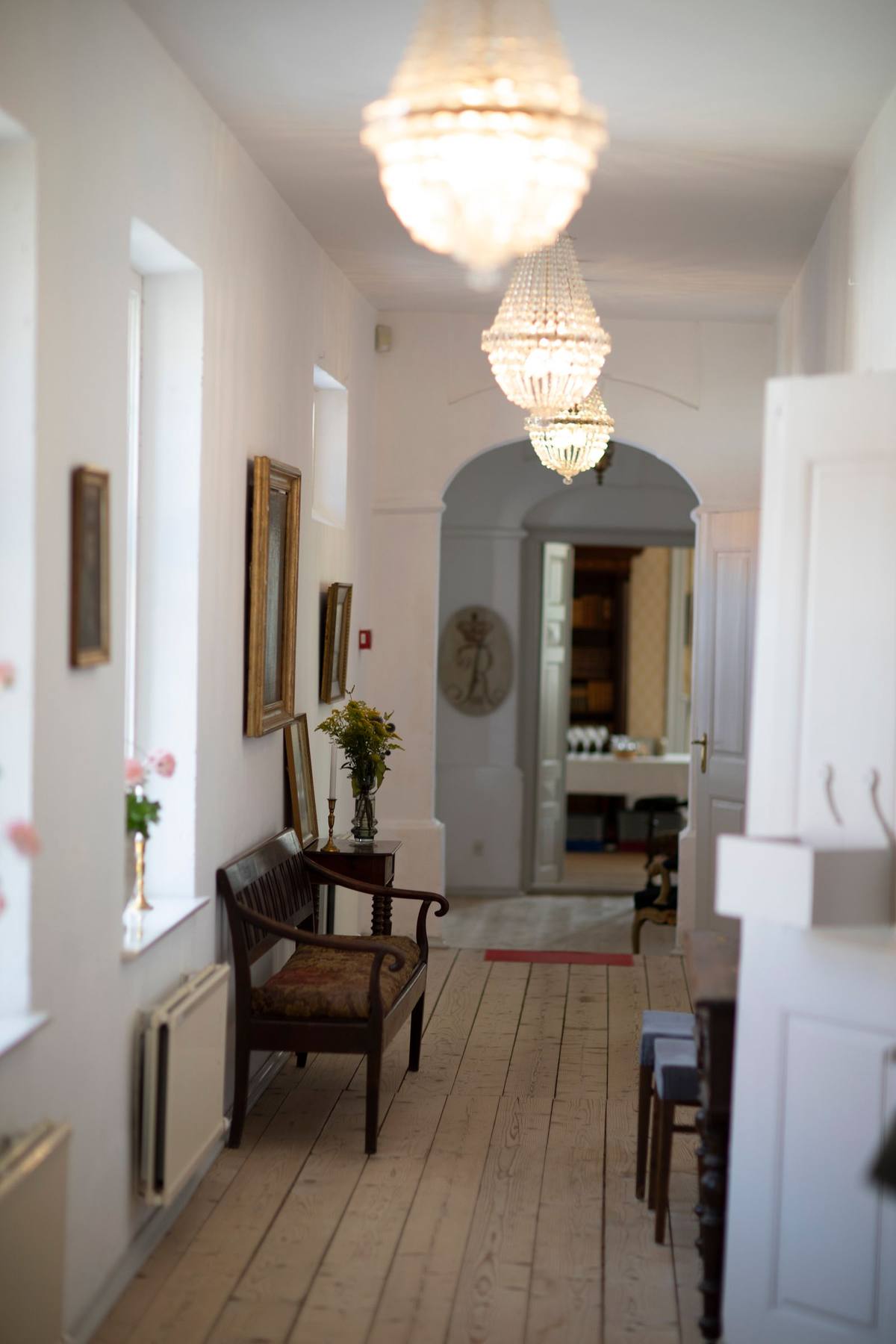
The call usually goes like this. The forecast says 41 degrees for three days straight. You ring your mother in Adelaide, or your father in Townsville, and ask how they're planning to cope — and they say the thing older Australians have said for fifty summers: "I'll be fine, love. I've lived through worse than this." And mostly, they have. But their house has never been checked — not properly, not room by room — and that's the gap this page exists to close.
Official heat guidance in Australia is good, but it is written by institutions, for everyone and no one. Nobody had turned it into the thing families actually need: a short, physical check you can do at your parent's place, in about ten minutes, with a printable list at the end to leave on the fridge. So we did. A heatwave doesn't arrive like a storm — it moves in quietly, one hot room at a time, and the houses that cope best are the ones somebody walked through before it came.
Before the heat arrives: the day-before setup
The best heatwave work happens the day before, when the forecast first shows the hot days lining up. Australian health departments say the same thing in different words: prepare while it's still cool enough to think.
Check the forecast together — the Bureau of Meteorology app or website — and name the plan out loud: which days are the dangerous ones, and what changes on those days. Stock the house so nobody needs to go out in the worst of it: several days of easy food, drinking water in the fridge, and enough of your parent's regular medicines on hand (Tasmanian health guidance suggests having up to a week's supplies at home when hot weather is forecast). Then do the mechanical checks: the air conditioner actually blows cold on the "cool" setting, the fan works and its cord isn't a trip hazard, the blinds that are supposed to close actually close, and there's a torch with working batteries in case the power fails — summer storms and heatwave blackouts are travelling companions in most of Australia.
The room-by-room check: living areas first
Start where your parent spends the day, because that one room is the whole battle. By mid-morning of a hot day, the goal is a single cool base room — ideally the room that gets the least direct sun — with every other door in the house closed against the heat.
Work through it like this. Blinds and curtains shut on every window the sun touches, before the sun touches them — health guidance is blunt about this: keep windows, curtains and blinds closed to keep heat out, particularly on sun-facing windows. If the air conditioner serves one room well, that's the base; HealthyWA suggests setting it to cool, around 24 degrees, and using a fan to circulate the cool air. If there's no air conditioning, the official fallback genuinely works: a fan with a wet sheet or towel placed in front of it — the Aged Care Quality and Safety Commission's summer guidance is specific that the towel goes in front, never draped over the fan itself. Set up the chair, the water, the phone, the remote and the book all within reach of that one seat, so nobody needs to cross a hot house at 2pm. And strip the day bed or the couch down to a cotton sheet — heavy bedding belongs in the cupboard until the cool change.
The bedroom: winning the night
Hot nights are where heatwaves do their quiet damage, because a body that never cools down overnight starts the next day already behind. The bedroom check is about making sleep possible at 30 degrees.
Find the coolest sleeping spot, even if it isn't the usual bed — health guidance suggests considering a move to a cooler room for hot nights, if it can be done safely, and the coolest room is often low and on the shaded side of the house. Swap the doona for a single sheet. Run the fan or air conditioner into the evening so the room starts the night cool, and open windows only once the air outside is genuinely cooler than the air inside — that's the moment the house can breathe. A lukewarm shower before bed, or a cool damp cloth on the neck and underarms, is the official trick that actually works; feet in a bowl of cool water while watching the news is the other one, and plenty of grandparents already swear by it. If your parent's bedroom is upstairs in a Queenslander or a two-storey home, be honest about the stairs at 3am in the dark and the heat — a few nights camped downstairs beats a fall, and our free home safety walk-through covers the night-time route in detail.
The kitchen and bathroom: water, water, water
The drinking rule from Australian health guidance is small amounts, often — not heroic litres once a day. Older people can become dehydrated drinking large amounts infrequently; the pattern that protects them is a glass always within reach and sipped at steadily. Set it up so it happens by itself: a filled bottle at the chair, a jug in the fridge, a glass by the bed.
Make the water interesting if plain water is being refused — diluted juice, jelly, ice blocks and icy poles all count as fluid in the official guidance, and a bowl of cut melon in the fridge beats another lecture. Serve smaller, more frequent meals, because heat dulls appetite; go easy on alcohol and caffeinated drinks, which work against hydration; and keep cooking heat out of the house — the oven stays off on the worst days, and salads, sandwiches and the microwave do the work. In the bathroom, the cooling tools live: lukewarm showers (never icy cold), sponging, cool wraps, and wet towels. If your parent takes regular medicines, don't improvise changes in the heat — ask their pharmacist or GP whether any of them need a hot-weather conversation, because that's a professional question, not a family guess.
Going outside: the 11-to-3 rule
Australian health guidance converges on the same window: avoid being outside in the middle of the day — roughly 11am to 3pm, longer on the most extreme days. Whatever can move to early morning or evening, moves: the walk, the garden, the shops, the bin run.
When going out can't move, treat it like a small expedition: wide-brimmed hat, sunglasses, sunscreen, loose light-coloured clothing that covers skin, and a water bottle in hand — the exact list state health departments publish. If your parent drives, the car that has sat in the sun is an oven for the first ten minutes; open it up and cool it before anyone gets in, and never — in any circumstances — leave a person or a pet in a parked car. And if the house simply cannot be kept cool, the official answer is to leave it for the hot hours: libraries, shopping centres, cinemas and community centres are the country's informal cooling network, and many councils publish lists of cool spaces each summer. A long, air-conditioned lunch at the local shops is not giving up; it's the strategy.
The check-in system: the part that saves people
Here is the finding buried in every official heatwave document: the people who get into trouble are usually the people nobody checked on. Tasmanian health guidance tells carers to visit in person where they can, rather than relying on the phone, because a voice can sound fine while the house is an oven and the water bottle is empty.
So build the system before you need it. Agree on two check-ins a day during extreme heat — morning and late afternoon — and a simple rule: no answer means somebody goes around, or a neighbour with a key does. Line up the neighbour now, not during the event; heatwaves are exactly when "I'll pop in if I get a chance" fails. Write the plan where it can't be missed, on the fridge: your number, another family member, a neighbour, the GP, healthdirect on 1800 022 222 for health advice, and 000 for emergencies. If your family is spread across states — the daughter in Brisbane checking on a father in Cairns, the son in Melbourne ringing into Adelaide — this paper system is what turns worry into coverage. It pairs with the paperwork in our Seniors Card state guide and the Support at Home guide: entitlements sorted in spring are what fund the help that shows up in summer.
If the power goes out
A blackout in a heatwave removes the air conditioner, the fan and the fridge in one blow — so the plan has to exist before the lights do. Keep it simple and physical.
Torches, not candles (a candle in a hot, dark house with an unsteady hand is a fire risk our safety walk-through flags too). The fridge stays shut — every opening costs hours of cold. Wet towels and the foot bath become the cooling system, and the check-in system becomes the transport system: if the house can't be cooled and the outage drags on, your parent goes to whoever has power — family, a neighbour, a cooled public space — rather than toughing it out. If your parent relies on any powered medical equipment, that conversation belongs with their provider and GP well before summer, and some states run medical energy concessions and life-support registers through energy retailers — ask the retailer what's available at your parent's address. Afterwards, when in doubt about food that's sat warm in a dead fridge: the official instinct is the safe one — if in doubt, throw it out.
Warning signs — and the 000 line
This page is general family information, not medical advice — but every family should know the shape of trouble, because heat illness moves fast. State health guidance lists the signs to watch for: a person feeling very unwell, nausea, skin that is red, pale or unusually dry, heavy sweating or — more worrying — sweating that stops, confusion or unusual behaviour, and dark urine, which suggests dehydration. The response at home is cooling and fluids: move to the coolest room, loosen clothing, apply cool wet cloths, and offer small sips of cool water.
The line is drawn clearly in Tasmanian health guidance: if someone is very unwell and does not respond to cooling and fluids quickly — within about ten minutes — call triple zero (000) and ask for an ambulance. Heat-related illness can become life-threatening, and "wait and see" is the mistake. For anything short of that line and you're unsure, healthdirect (1800 022 222) gives round-the-clock health advice; for your own parent's conditions and medicines, their GP is the right call. Trust the check-in system here — you're far more likely to spot "Mum sounds confused" on a scheduled call than by accident.
The free printable checklist
Print this page (button at the top) and the checklist below becomes your fridge copy — big, plain and tick-boxed. Do the walk together, tick honestly, and star anything that needs fixing before the next hot day.
☐ Coolest room chosen as today's base; other doors closed
☐ Blinds and curtains shut on every sun-facing window, before the sun hits them
☐ Air conditioner on "cool" (about 24°) — or fan running with a damp towel in front of it, never over it
☐ Water bottle filled and placed at the chair; jug in the fridge; glass by the bed
☐ Several days of easy food in the house; regular medicines in stock
☐ Doona swapped for a sheet; coolest sleeping spot agreed for tonight
☐ Windows opened only once the outside air is cooler than inside
☐ Today's outings moved out of the 11am–3pm window; hat, sunscreen and bottle by the door
☐ Two check-in times agreed (morning and late afternoon); no-answer plan confirmed
☐ Fridge plan on display: family numbers, neighbour, GP, healthdirect 1800 022 222, emergencies 000
☐ Torch with working batteries in reach (no candles); power-outage plan agreed
☐ Neighbour or nearby friend looped in for the hot days
If your parent seems very unwell and doesn't improve quickly with cooling and fluids — call 000.
Christmas week: the hottest visiting days
Christmas in Australia lands in the middle of the danger season, and the day itself stacks every heat risk at once: a house full of visitors (every extra body and every oven cycle adds heat), a big outdoor lunch, travel in a hot car, and an older host who insists on doing too much. How to keep elderly parents cool in a heatwave matters most exactly when nobody wants to think about it — so think about it a week early, while you're doing the room check anyway.
Run the Christmas version of the plan. Lunch goes in the coolest spot, not automatically on the verandah at 1pm — if the outdoor table is tradition, make it shade, fans and a hard finish before the worst heat, with cold water on the table like it's a course. The host does not stand over a barbecue for an hour in 38 degrees; barbecuing is a young person's job this year, in shifts, and saying so is a gift, not an insult. The air conditioner goes on early in the morning, before the house heats up and before twenty relatives arrive — cooling a hot, full house at midday is the hardest (and most expensive) version of the job, and it's also when the local power grid is working its hardest. And build the rest in: a quiet, cool room where a grandparent can lie down mid-afternoon without feeling they've left the party. In the north — Darwin, Cairns, the Top End — December danger wears a different face: storms and power cuts more than still heat, so the Christmas-week version of the plan there means torches charged, water stored, a battery radio, and the outage plan from the section above, because a cyclone-season blackout with a fridge full of Christmas food is its own emergency. Wherever you are, check the forecast in the days before the 25th, not on the morning.
Mistakes we see families make
"She says she's fine." Thirst is an unreliable gauge in older age, and pride is a powerful drug in every age. Check the house and the water bottle, not just the answer. The fan-only trap: a fan in a sealed, superheated room can end up blowing hot air around like a convection oven — pair it with the damp-towel trick, ventilation when the outside air drops, and a cooled room to retreat to, and know when the real answer is to relocate for the day. The December surprise: families set all this up in January, mid-crisis. The same work done in October or November — like the sale-season planning in our Black Friday vs Boxing Day calendar — is calmer and cheaper. And the solo hero: one family member doing every check-in burns out by day three of a five-day event. Roster it, the way you'd roster anything that matters — and if your parent already receives home support, our Home Safety Score helps you spot the other risks in the house while you're there.
Who this guide is for — and who should skip it
This is for adult children and family carers of older Australians — especially if your parent lives alone, lives far from you, or insists every summer that they're fine. If you are an older person reading for yourself: welcome, and the checklist is written so you can run it on your own home and tell your kids you've handled it (they will ring anyway). Who should skip it: anyone looking for medical guidance about a specific condition or medication — that's a GP conversation, and nothing here replaces it. And if a heatwave is on right now and someone is unwell, stop reading and use the 000 guidance above.
How we checked this guide
The advice on this page follows the Australian official sources families rarely find: the Department of Health's guidance on caring for older people in heatwaves, the Aged Care Quality and Safety Commission's Summer Clinical Alert 2025–26, healthdirect's heatwave advice, HealthyWA's heatwave pages, and Tasmanian health guidance on hot weather for older people — all read in October 2026. Where sources described a specific practice (the damp towel in front of the fan, the ten-minute rule before calling 000, around 24 degrees for air conditioning), we've said which tradition it comes from rather than dressing it up as our own testing. Check the forecast with the Bureau of Meteorology, and check on your people.
Frequently Asked Questions
- What temperature should I set the air conditioner on for an older parent?
- HealthyWA's heatwave guidance suggests setting air conditioning to the 'cool' setting, around 24 degrees, and using a fan to circulate the cool air. Much colder is not better — it wastes power, costs more to run, and can leave an older person chilled when they move between rooms. The bigger wins are keeping blinds and curtains closed on sun-facing windows, closing doors to rooms that are not being used, and opening the house up only once the air outside is cooler than the air inside. If there is no air conditioner, a fan with a damp towel placed in front of it — never draped over it — is the official fallback.
- Is a fan enough to keep an elderly person safe in a heatwave?
- Sometimes — and families should know where the limit is. A fan helps most when it is moving air that is not already extremely hot, and official guidance pairs it with a damp towel or sheet in front of the fan to cool the air. In a sealed room on a 40-degree day, a fan alone can end up circulating hot air without cooling the person. Watch the person, not the appliance: if your parent still feels unwell, looks flushed or confused, or the house cannot be kept reasonably cool, the right move is a cooled space — family, a library, a shopping centre — and if they are very unwell and not improving quickly with cooling and fluids, call 000.
- How often should I check on my parent during a heatwave?
- Twice a day is a sensible family standard during extreme heat — once in the morning and once in the late afternoon — with a clear rule for what happens if there is no answer. Tasmanian health guidance encourages carers to visit in person where possible rather than relying only on the phone, because a person can sound fine while their house is dangerously hot. Line up a neighbour or nearby friend as backup before the hot days arrive, write the plan on the fridge, and include healthdirect (1800 022 222) for advice and 000 for emergencies.
- What are the warning signs that heat is making someone ill?
- Australian health guidance lists these signs to watch for: feeling very unwell, nausea, skin that is red, pale or unusually dry, changes in sweating, confusion or unusual behaviour, and dark-coloured urine, which suggests dehydration. Begin cooling straight away — coolest room, loose clothing, cool wet cloths, small sips of cool water. Tasmanian health guidance is direct about the line: if the person is very unwell and does not respond to cooling and rehydration quickly, within about ten minutes, call triple zero (000) and ask for an ambulance. This is general information only — for your parent's own conditions, their GP is the right adviser.
- What should we do if the power goes out during a heatwave?
- Treat it as a cooling emergency, not just an inconvenience. Use torches rather than candles. Keep the fridge closed to preserve the cold. Switch to wet towels, sponging and feet in cool water for cooling, and keep fluids going in small amounts, often. If the house cannot be kept cool and the outage drags on, take your parent to somewhere with power — family, a neighbour, or a cooled public space like a library or shopping centre — rather than waiting it out. If your parent relies on powered medical equipment, make that plan with their provider and GP before summer, and ask their energy retailer about life-support registration and medical concessions.
- Should my parents still go for their usual morning walk in a heatwave?
- An early walk is usually the best version of the day — Australian health guidance says to avoid being outside in the middle of the day, roughly 11am to 3pm and longer in extreme heat, and to plan outings for the cooler times instead. On the very hottest days, skipping the walk entirely is the wiser call. If they do go: early, shaded route, wide-brimmed hat, sunscreen, loose light clothing, and a water bottle in hand. Errands, gardening and anything strenuous move to morning or evening, and nobody — and no pet — waits in a parked car.