Free Senior Home Safety Checklist for Australian Homes (Printable)
The Etsy version costs money. This one is free, large-print and actually Australian — 000, tempering valves, pool gates and all. Print it, walk it together, star what needs fixing.
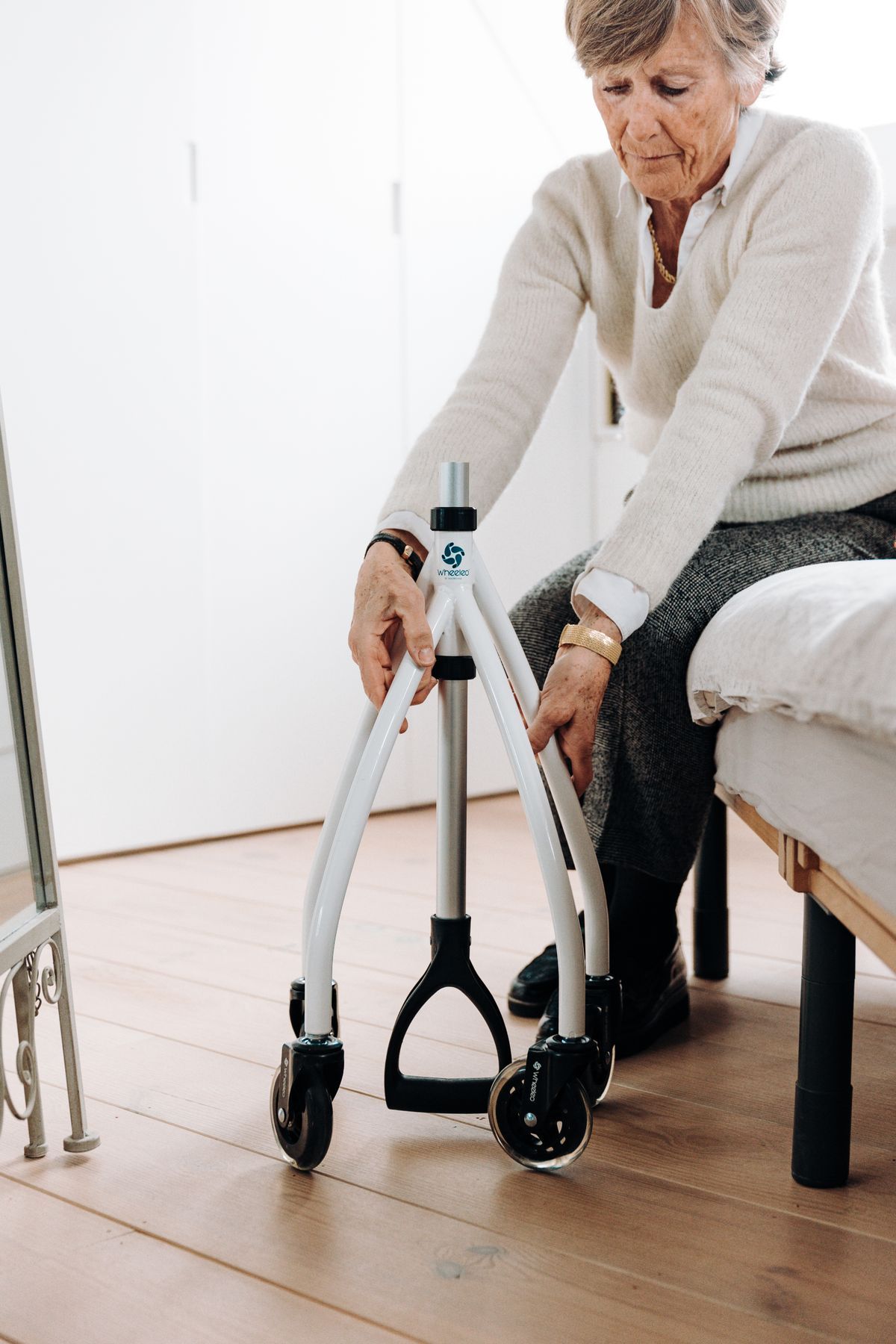
Walk into any older Australian's home — one you've known for years — and you'll see it the way family sees it: the good chair, the familiar rug, the hallway you've walked a thousand times. What you won't see is the list. The loose mat by the shower. The cord across the lounge room floor. The step down to the laundry that has no rail and no light. None of them look like dangers. Together, they're how most home accidents actually happen.
That's why this checklist exists — and why it's free, in large print, and written for Australian homes specifically. Online, you'll find versions of this list being sold as downloads. Ours costs nothing and asks nothing: most home accidents don't come from one big danger — they come from ten small ones nobody wrote down. So write them down. Twenty minutes, one honest walk, room by room.
Start at the front door: entry, steps and paths
The walk begins where every visitor, every ambulance and every grandchild arrives — the front of the house. Stand at the letterbox and look at the home the way a stranger would on a dark, wet night.
☐ The path is even, with no cracked pavers, lifted edges or mossy slippery patches ☐ There's a handrail or something solid to hold on every step ☐ The porch light works and actually lights the steps, not just the door ☐ The house number is visible from the street (paramedics lose minutes to hidden numbers) ☐ Shoes, hoses and garden tools live off the path, not on it ☐ The doorbell or intercom works — and your parent can reach the door safely without rushing. Rushing to answer a door is a fall story all by itself; a "won't be a minute" culture in the house is worth more than any gadget.
Hallways and stairs: the night route
Now walk the route your parent walks half-asleep at 2am: bedroom to bathroom. This sixty-second walk, done in the dark, tells you more than an hour of daytime inspecting.
☐ The route is completely clear — no shoes, boxes, cords or laundry baskets ☐ There's light at both ends of the route, reachable without crossing a dark room ☐ Stairs have a rail on at least one side (both sides is better), and the rail is solid, not decorative ☐ Stair edges are easy to see — no patterned carpet hiding the edge of a step ☐ Loose rugs and runners on the route are removed or firmly fixed down. In Queenslanders and other raised homes, treat the internal and external stairs with extra respect: they're steeper, they're used with arms full of laundry, and they deserve the first star on the page if anything about them wobbles.
The living room: where the day is spent
The living room is where your parent spends most waking hours, so small hazards here get the most chances to bite. Look at it from the chair, not from the doorway.
☐ The favourite chair is easy to get out of — firm, with arms, not a deep sinker ☐ Cords run around walls, never across walkways ☐ The phone is reachable from the chair, charged, with family numbers stored ☐ A torch lives in a known spot for blackouts ☐ Coffee tables and footstools aren't sitting in the walking lines ☐ Heating and cooling controls are understood and reachable (in summer, this room becomes the cool base — our heatwave room check covers setting it up). If there's a personal alarm pendant, this is where you ask the awkward question: is it worn, or is it living in a drawer? A pendant in a drawer is a decoration, not a safety device.
The kitchen: hot, sharp and slippery
The kitchen concentrates the risks — heat, water, knives, and the slow creep of everyday things moving to higher shelves. Check it like you'd check it for a grandchild staying the weekend.
☐ Everyday items — mugs, plates, the kettle, tins — are between knee and shoulder height, with nothing daily stored overhead ☐ There's no step-stool habit in this house (if something "needs" a stool, it needs a new home) ☐ The stove is left clear, with nothing stored on top, and the knobs are understood ☐ A fire blanket or extinguisher exists, is in date, and is reachable without reaching over the stove ☐ The floor isn't polished slippery, and spills get wiped when they happen ☐ Under the sink, chemicals are recognisable and not decanted into drink bottles — a classic poisoning mistake in every state. The honest test: could your parent make a cup of tea in this kitchen, safely, at 6am with the light off? Whatever makes you hesitate gets a star.
The bathroom: the most important room on this list
More serious falls happen in bathrooms than anywhere else in the house — wet, hard surfaces and no clothing to soften the landing. Give this room double time.
☐ The shower has a grab bar, properly installed — screwed into studs or fitted by someone qualified, never a suction-cup bar trusted with body weight ☐ A non-slip surface or mat inside the shower and bath, and the bath has a safe way in and out (a shower chair or transfer bench if stepping over is a stretch — our guides to shower chairs and grab bars compare the options) ☐ The floor dries fast and stays dry — leaks and drips fixed, not towelled around ☐ Hot water is tempered to a safe temperature — this is a licensed plumber's check of the tempering valve, not a DIY job, and it's one of the few items on this list that genuinely needs a professional ☐ Night lighting reaches the bathroom, not just the hallway ☐ Medicines are current, labelled and stored where they're meant to be — and anything expired goes back to the pharmacy, free, under the national medicines return scheme. If you fix one room this month, fix this one. The Home Safety Score gives you a quick scored version of this same thinking for the whole house.
The bedroom: getting up safely
Most bedroom falls happen in the first ten seconds of standing up — dizzy, dark, and hurrying. The checklist here is about slowing that moment down and lighting it.
☐ The bed is a height your parent can sit on with feet flat on the floor ☐ A lamp or light switch is reachable from the bed without getting up ☐ The floor path from bed to door is bare and clear — no clothes piles, no charging cords ☐ Slippers or shoes by the bed have backs and grip (slip-on, backless footwear is a fall risk wearing a friendly face) ☐ A phone or alarm is within reach of the pillow ☐ In summer, the room can be made cool enough to sleep — our heatwave guide covers the coolest-room strategy for hot nights. If your parent mentions getting up "a bit dizzy most mornings," that's not a checklist item — that's a GP conversation, and it's one of the most valuable things this walk can surface.
Laundry, outdoors and the pool gate
Australian homes have Australian hazards: the external laundry, the back step, the Hills Hoist, the pool fence, the shed full of chemicals. Walk the outside with the same eyes.
☐ The laundry route — often outside, often down steps — is lit and has something to hold ☐ The clothesline area is level, with no hoses or edging to catch a foot ☐ The pool gate self-closes and self-latches, every time, tested from half-open (pool fencing rules are state law and exist because toddlers and visiting grandchildren are fast) ☐ Garden chemicals, fuels and pool chemicals are stored locked or high, in original containers ☐ Outdoor steps and decks: boards firm, edges visible, no algae slick ☐ The letterbox trip doesn't cross a driveway blind spot. For homes on acreage or in regional towns, add the snake-season basics: clear paths, no woodpiles against the house, and a torch for night trips to the bin. And one modern addition that didn't exist when these homes were built: the charging station for mobility scooters or e-bikes lives somewhere ventilated, away from exits — ask your local fire service's published advice if you're unsure.
Smoke alarms and the boring legal bits
Every state and territory has smoke alarm laws, and rental properties have extra rules — but the family's job is simpler than the legislation: alarms exist, they're in date, and they work when the button is pressed.
Test every alarm while you're walking (that beep is the cheapest peace of mind in Australia). Check the expiry date printed on the alarm itself — alarms have a service life, usually ten years, and an expired alarm is wall decoration. If your parent rents, alarm compliance is the landlord's legal responsibility in every state, but testing them is still a family's five-minute job. While you're in paperwork mode, add the emergency card below to the fridge, check that the will and enduring documents are where the family thinks they are, and confirm your parent's Medicare and concession details are current — the Seniors Card state comparison and Support at Home guide cover the two Australian systems families most often haven't claimed yet.
The fridge card: numbers that matter
Copy this onto a card for the fridge door. In an emergency, nobody should be scrolling a phone with shaking hands.
Emergency (police, fire, ambulance): 000
Poisons Information Centre: 13 11 26
Health advice (healthdirect, 24/7): 1800 022 222
State Emergency Service (storms and floods): 132 500
My GP: ______________ My pharmacy: ______________
Family contact 1: ______________ Family contact 2: ______________
Neighbour with a key: ______________
My address (for callers): ______________
Getting the house ready before summer visitors
Do this walk a week before the family arrives, not the day they land — a full house quietly undoes a safe one. Every visitor adds trip hazards of their own: suitcases in hallways, phone chargers strung across the living room, extra fans and airbeds with cords, grandchildren's toys on the stairs. The visit itself is the best safety-check opportunity of the year — more hands, more eyes, and a parent on their best behaviour — but only if the house is ready before the crowd, not reorganised around it.
☐ The guest room gets the night-route treatment too: a lamp reachable from the bed, a clear path to the bathroom, and a night light for guests who don't know the house in the dark ☐ Luggage lives in one agreed corner, never on stairs or in the hallway route ☐ Charger and fan cords run along walls, not across walkways — one power board by the wall beats five cables crossing the floor ☐ The bathroom roster is thought through: who showers when, where the extra towels hang, and whether a second non-slip mat is needed for wet feet all day ☐ Visiting grandchildren trigger the pool-gate test again (self-closing, self-latching, every time) and a sweep for small hazards at toddler height ☐ Medicines move up and out of the shared bathroom bench while little visitors are in the house ☐ The fridge card from the section above is filled in before the visit — guests who know where 000 and the GP's number are become helpers, not bystanders. And if your parent is hosting Christmas itself, run this together with our heatwave checklist — a full house in a hot week is the one-two punch this list was written for.
Fixing what you found: the three ladders
Sort every star into one of three ladders, and the whole job stops feeling overwhelming. Ladder one — free, today, before you leave: move the cords, clear the night route, shift the everyday kitchen items down, put the torch and the phone where they belong, write the fridge card. Ladder two — cheap, this week, hardware-store money: plug-in night lights for the route, non-slip mats, a second rail where a hand naturally reaches, batteries, a shower caddy that ends the bending. Ladder three — book a professional, and don't DIY it: grab bars into studs, the hot water tempering valve, anything electrical, anything gas, and structural step or deck repairs. In Australia, electrical and gas work is licensed work by law, full stop — this is not the place for a handy uncle. Many councils and local handyperson services help older residents with exactly ladder-three jobs, and families helping a parent on a Support at Home budget should ask their provider what home modification funding can cover before paying out of pocket.
Red flags: the shortcuts that aren't
Suction-cup grab bars are the most dangerous bargain in home safety — fine for holding a washer, never for holding a person. The "we've always done it this way" step — the one without a rail that Dad has used for thirty years — is precisely the step that catches him at year thirty-one, on a wet night, carrying laundry. Tape-down cords and curled rug corners are not fixes, they're delays. And the subtlest red flag of all: a parent who starts avoiding parts of their own home — the back steps, the bath, the garden — is telling you the checklist answer without words. Avoidance is information. Ask about it kindly and directly.
Who this checklist is for — and what it is not
This walk-through is for families who want a safer home for an older parent, and for older Australians auditing their own place. It is a practical household checklist based on the same room-by-room approach used across our safety guides — including our caregiver checklist for ageing in place — and it's a starting point, not a verdict. It is not a medical or clinical falls-risk assessment, and it doesn't replace one: if your parent has had falls, feels unsteady, or has conditions or medicines that affect balance, the right next step is their GP, who can arrange a professional assessment (an occupational therapist's home visit is the gold standard in Australia, and My Aged Care is the doorway for funded help). Use this list to fix the house; use the professionals for the person. Both matter, and neither does the other's job. If you're visiting for the Christmas season, pair this walk with our summer gift guide — a grab bar professionally installed beats another scented candle, and our sale-season calendar explains the honest times of year to buy the bigger items.
How we built this checklist
This checklist adapts the room-by-room method of our existing SeniorHaven safety guides to Australian homes and Australian numbers: 000 instead of 911, the Poisons Information Centre on 13 11 26, tempering valves and pool gates and Queenslander stairs instead of basements and furnaces. It was written from our published safety guides (falls, bathroom and night-lighting coverage), general Australian safety practice, and the fix-it ladders our readers actually complete. We haven't invented statistics to dress it up — where a claim would need a number, we've given you the action instead. Print it, walk it, and tell us via the contact page which room surprised you most; reader reports genuinely shape the next update.
Frequently Asked Questions
- How often should we redo the home safety walk-through?
- Once a year is a good family rhythm — many families tie it to a birthday or to the start of summer — and again after any change: a hospital stay, a new medicine, new glasses, a fall or near-fall, or a parent starting to avoid parts of the house. Homes drift out of safe slowly, one moved chair and one new cord at a time, which is why a scheduled re-walk catches what everyday familiarity hides. The walk takes about 20 minutes once the big items are fixed. If your parent has already had falls or feels unsteady, don't wait for the annual walk — talk to their GP about a professional assessment.
- What if my parent refuses to change anything in their home?
- Start smaller and start with agreement. This is their home, and changes imposed on a parent tend to be quietly reversed. Most families get furthest by fixing the invisible things first — lighting, cords, the night route — and framing one visible change at a time around what it gives them ('the rail means you can keep using the back steps') rather than what it prevents. Do the walk together, let them hold the checklist, and let them star the items. If refusal covers things that are genuinely dangerous, that's a family conversation — sometimes with the GP's voice in it — not a surprise renovation while they're out.
- Which fixes matter most if we can only do three things?
- Based on where serious falls actually happen: first, the bathroom — a properly installed grab bar and a non-slip shower surface. Second, the night route — clear it completely and light it at both ends, because most falls happen in the dark, half-asleep. Third, the stairs and steps your parent uses daily — a solid rail and visible edges. All three are cheap relative to one ambulance trip, two of the three can be started today for free, and the bathroom rail is the one worth paying a professional to install properly. Then work down the rest of the checklist at your own pace.
- Is this checklist a medical falls-risk assessment?
- No — and the difference matters. This is a household checklist: it finds and fixes hazards in the home itself, like cords, lighting, rails and slippery floors. A falls-risk assessment is a clinical process about the person — their balance, strength, medicines, vision and health conditions — carried out by professionals such as a GP, physiotherapist or occupational therapist. One does not replace the other. If your parent has fallen, feels unsteady, or you're worried about their balance, book the GP conversation as well as doing this walk; in Australia, funded support starts with My Aged Care.
- Can I use this checklist for a rental home?
- Yes, with one boundary: most of the checklist is portable — lighting, layout, cords, mats, and where things are stored — and renters can do all of it. Fixed changes are different: grab bars screwed into walls, rails, and anything electrical or plumbing generally need the landlord's written permission, and in Australia that permission process runs through the property manager. Smoke alarm compliance is the landlord's legal responsibility in every state, though testing the alarms is still worth five minutes of your time. Keep the request simple and in writing — landlords approve 'a qualified installer will fit a shower grab bar' far more often than families expect.
- What should I do with the hazards we can't fix ourselves?
- Sort them onto the professional ladder and book them rather than improvising. In Australia, electrical and gas work must legally be done by licensed tradespeople, and hot water tempering valves are a licensed plumber's job. Grab bars should be fixed into studs or with proper anchors by someone who installs them routinely — a handyperson service, an occupational therapist's recommended installer, or a builder. Many local councils run or subsidise handyperson services for older residents, and if your parent receives Support at Home funding, ask their provider whether home modifications can be covered before you pay privately. A starred item with a booking date is a fixed item in progress.
- Are Christmas lights and cords a fall risk for older people?
- Yes — December quietly adds the year's worst cord hazards to exactly the routes this checklist protects. Light strings get run across doorways and along hallways, power boards multiply behind the tree, and a cord on the night route to the bathroom is a fall waiting for a dark, half-asleep trip. Keep the night route completely cord-free, run light cables along walls and skirting — never across a walkway and never under a rug, which is both a trip edge and a fire risk — and put lights on a timer so nobody is crossing a dark room to switch them off. Battery-powered LED candles and light strings give the same glow on stairs and tables with no cord at all. Anything that needs a ladder to hang belongs to a younger family member or a hired hand, not to your parent.